
What Is the Difference Between EPC and Turnkey Project Delivery?
June 22, 2026 / Battery Expert Team / energy epc
Introduction
Choosing the wrong contractual vehicle can quietly devastate a megawatt-scale clean energy installation. Navigating the operational differences between epc vs turnkey frameworks remains a decisive pivot point for infrastructure investors globally. If you miscalculate who absorbs the final commissioning liabilities, a project can face costly timeline overruns. This definitive guide breaks down financial risk distributions, structural asset delivery mechanisms, and clear execution methods. Understanding these dynamics helps you safeguard your capital deployment from early procurement vulnerabilities.
EPC vs Turnkey at a Glance (Featured Snippet)
What Is the Difference Between EPC and Turnkey?
EPC (Engineering, Procurement, and Construction) is a project delivery model where the contractor designs, procures, and constructs the project according to agreed specifications. A Turnkey project goes one step further by delivering a fully operational facility ready for immediate use, often including commissioning, testing, training, and performance guarantees.
The operational boundary centers entirely on the final hand-off criteria. EPC models conclude execution upon mechanical completion, while turnkey delivery ensures you receive an active, revenue-generating facility.
EPC vs Turnkey Comparison Table
| Factor | EPC | Turnkey |
|---|---|---|
| Design Responsibility | Contractor | Contractor |
| Procurement | Contractor | Contractor |
| Construction | Contractor | Contractor |
| Commissioning | Usually Included | Included |
| Operational Readiness | Limited | Full |
| Owner Involvement | Moderate | Minimal |
| Flexibility | Higher | Lower |
| Risk Allocation | Shared | Mostly Contractor |
| Delivery Speed | Fast | Fastest |
Understanding EPC Contracts and Turnkey Project Delivery
What Is EPC (Engineering, Procurement, and Construction)?
An epc contract sets up a highly structured project framework. The provider carries out detailed engineering design, manages supply chain logistics, and controls physical site assembly. The developer remains involved, approving technical milestones and managing grid interconnection permissions directly.
What Is a Turnkey Project?
A turnkey contract changes the owner’s operational role completely. The provider takes over everything, from initial feasibility studies through final performance testing. This comprehensive approach delivers a fully functioning facility, allowing the asset owner to simply turn a key to start generating revenue.
Why EPC and Turnkey Are Often Confused
The confusion stems from overlapping scope requirements during physical construction phases. Both frameworks rely on single-source project management to bypass traditional subcontractor coordination disputes. However, they use entirely different methods for managing final operations and allocating startup liabilities.
Is Every EPC Project a Turnkey Project?
No. An engineering procurement and construction firm might build a plant but leave grid synchronization to the owner. A true turnkey framework requires the contractor to assume complete operational and performance accountability before handover.
Key Characteristics of Turnkey Projects
Opting for integrated turnkey project delivery changes how your corporate capital is protected during execution.
Single Point of Responsibility
You no longer have to manage disputes between independent designers and field construction crews. The primary contractor absorbs all coordination challenges, eliminating finger-pointing when field components do not align correctly.
High Cost Efficiency Through Integrated Execution
Value engineering occurs during early design stages, preventing expensive structural revisions later. Procurement teams sync directly with design engineers to secure volume pricing on essential electrical switchgear.
Faster Project Delivery Timelines
Civil engineering works often proceed while primary equipment packages are still being manufactured. This overlapping schedule accelerates execution, helping your facility start generating power ahead of schedule.
Reduced Coordination Requirements
Your internal administrative teams escape the burden of managing daily sub-vendor contracts. The contractor manages all local labor dynamics and site safety protocols independently.
Performance-Oriented Delivery
Final milestones link directly to real-world performance metrics rather than just mechanical assembly completion. The system must meet guaranteed capacity requirements before final project closeout is approved.
EPC Solar Contracts: Efficient but Less Flexible
Hiring a specialized solar EPC contractor provides access to focused technical expertise, but limits mid-project adaptability.
How EPC Contracts Work in Solar Projects
The developer provides definite, detailed performance specifications and component criteria. The contractor executes against these benchmarks, handling panel layouts, string inverter calculations, and heavy tracking system installation.
Advantages of Solar EPC Contracts
- Competitive Procurement: Global supply lines are leveraged to secure Tier-1 components at competitive prices.
- Predictable Project Schedule: Clear milestones keep the project moving forward on a predictable timeline.
- Technical Expertise: Experienced high-voltage engineering teams handle complex substation integrations safely.
- Reduced Owner Management Burden: Owners escape the daily complexities of coordinating field labor activities.
Limitations of Traditional EPC Contracts
If you modify your component preferences midway through assembly, change orders can quickly inflate your total costs. The fixed price contract model offers minimal flexibility once civil works begin, and any ambiguous scope language can lead to unexpected cost variations.
EPC Projects: A Hands-Off Experience for Clients
While the model reduces day-to-day management friction, it requires absolute clarity during contract drafting. Any design requirements left out of the initial scope document can lead to expensive project modifications later.
EPC 2.0 – The Evolution Toward Turnkey Solutions
Modern developers are actively pushing providers to expand their traditional service offerings. This shifting demand is driving the industry toward integrated engineering models that feature advanced digital tracking and comprehensive performance guarantees.
Design-Bid-Build vs Turnkey: Two Opposite Project Delivery Models
What Is Design-Bid-Build?
This traditional approach separates the project into distinct phases. An independent engineering firm completes the full design package first, before the owner bids out the physical construction contract to separate field crews.
How Design-Bid-Build Differs from Turnkey
Turnkey unifies design and assembly under a single entity, whereas design-bid-build creates separate legal relationships. This separation can lead to disputes if construction crews discover errors in the original engineering blueprints.
Cost Comparison
Design-bid-build may show lower initial bids, but frequently suffers from expensive change orders during field assembly. Turnkey relies on a lump sum turnkey structure to provide superior cost predictability from day one.
Schedule Comparison
Design-bid-build requires waiting for complete engineering drawings before launching the construction tender. Turnkey bypasses this delay by allowing civil site preparation to proceed alongside ongoing electrical design work.
Risk Allocation Comparison
Under design-bid-build, the owner retains significant risk for design errors and omissions. Turnkey shifts these technical execution risks entirely onto the provider, protecting the owner’s financial position.
Which Model Requires More Owner Involvement?
Design-bid-build demands deep, ongoing technical supervision from your internal team to resolve vendor disputes. Turnkey minimizes this administrative burden, allowing your staff to focus on core business operations.
EPC vs Turnkey: Major Differences Explained
Choosing between an epc vs turnkey project framework requires evaluating where technical liabilities sit during critical phases.
Project Scope and Responsibilities
EPC focus is bounded tightly by structural design blueprints and mechanical system execution. Turnkey encompasses everything up to final operational readiness, including operational training and local environmental compliance permits.
Cost Structure and Pricing Models
EPC frameworks often utilize cost-reimbursable components for specific civil works. Turnkey projects rely almost exclusively on a strict lump-sum approach, shielding owners from shifting global commodity prices.
Project Schedule Control
Turnkey providers maintain total control over itemized procurement schedules to protect their own margins. EPC tracks milestones transparently, allowing owners to source specialized long-lead items independently if preferred.
Risk Allocation
Evaluating construction risk allocation reveals the core structural difference between these delivery models. EPC contracts share specific geotech and regulatory challenges, while turnkey shifts almost all execution risks to the contractor.
Quality Assurance and Performance Guarantees
Turnkey performance metrics are tied directly to commercial operation dates (COD) and real-world system efficiency. EPC models focus on verifying that individual components meet their mechanical specifications.
Flexibility During Execution
EPC permits moderate, controlled design adjustments if field conditions change unexpectedly. Turnkey limits owner intervention once construction begins to maintain the agreed project schedule.
Contract Management Complexity
Managing an EPC requires maintaining an internal technical team to oversee milestone approvals. Turnkey streamlines this process, reducing your legal and administrative overhead significantly.
Long-Term Accountability
Turnkey providers stand behind the complete, integrated system output over extended warranty windows. Traditional EPC contracts often pass component warranties directly to the original equipment manufacturers.
Which Model Saves More Money: EPC or Turnkey?
Initial Project Cost Comparison
Turnkey contract bids may look higher upfront because the provider builds a risk premium into their pricing. However, this premium protects you from unexpected field expenses down the road.
Hidden Cost Risks
Traditional EPC projects can accumulate hidden costs through separate commissioning charges and unexpected engineering adjustments. Turnkey bundles all these operational components into a single, transparent price.
Lifecycle Cost Analysis
According to the International Renewable Energy Agency (IRENA) 2025 Power Generation Costs Report, integrated project execution models cut overall lifecycle transaction costs by up to 14% compared to fragmented contract structures.
Cost Overrun Responsibility
If steel or copper prices spike unexpectedly during assembly, a turnkey provider absorbs that financial hit completely. Fragmented execution models often pass those macro supply shocks back to the developer.
Total Cost of Ownership (TCO)
Turnkey delivery delivers a lower total cost of ownership by optimizing component compatibility from day one. This careful engineering integration reduces long-term maintenance costs and improves system uptime.
When EPC Is More Cost-Effective
EPC works well if your organization maintains a skilled, in-house engineering team capable of managing complex procurement lines and local utility approvals independently.
When Turnkey Delivers Better Value
For fast-growing commercial enterprises, turnkey provides outstanding value. It minimizes internal resource strain and guarantees your system starts delivering energy savings on schedule.
Which Model Saves More Time: EPC or Turnkey?
Typical EPC Project Timeline
EPC timelines must include dedicated blocks for owner design reviews and milestone approvals. This structural feedback loop can slow down execution if internal decisions face administrative delays.
Typical Turnkey Project Timeline
Turnkey execution benefits from parallel workflows that accelerate deployment. Engineering teams issue fast construction updates directly to field crews, bypassing traditional administrative channels.
Approval and Procurement Efficiency
Turnkey teams utilize established supply chain partnerships to fast-track critical hardware orders. This close integration prevents the delivery delays that often disrupt multi-vendor projects.
Construction and Commissioning Speed
Because the same team designs and builds the system, final commissioning proceeds quickly. Testing engineers follow familiar protocols, accelerating your timeline to commercial operation.
Common Causes of Project Delays
Most project delays stem from poor communication between independent designers and field installers. Turnkey structures eliminate this issue entirely by uniting both teams under a single manager.
Which Model Delivers Faster Results?
Turnkey consistently delivers operational systems faster, making it the ideal choice for companies facing strict regulatory deadlines or rising utility costs.
Can My EPC Contractor Provide a Turnkey Solution?
When EPC Contractors Also Offer Turnkey Services
Top-tier firms often transition smoothly between execution models based on client needs. They can easily expand their traditional design-build scope to include complete project financing, licensing, and ongoing operational support.
Questions to Ask Before Selecting a Contractor
Does your prospective partner possess verified experience managing complete grid interconnections? You must confirm they can handle complex utility negotiations, rather than just basic physical equipment installation.
Signs of a True Turnkey Provider
A capable provider maintains in-house legal, engineering, and regulatory experts. They confidently offer comprehensive performance guarantees backed by liquidated damages clauses in the contract.
How to Evaluate EPC and Turnkey Experience
Look beyond marketing brochures and demand to see audited production data from their past projects. Verify how closely their completed installations matched their original energy forecasts.
Solar, BESS, and EV Charging Turnkey Capabilities
Modern projects require managing complex bi-directional power flows and real-time communication networks. Your contractor must understand how to integrate these diverse hardware platforms into a unified energy system.
Best Applications for EPC Project Delivery
Utilizing targeted renewable energy EPC services works exceptionally well under specific structural conditions.
Utility-Scale Solar Farms
Massive solar fields require highly customized engineering layouts to handle unique terrain conditions. These specialized projects benefit from the detailed, milestone-by-milestone oversight that the EPC framework provides.
Large Battery Energy Storage Systems (BESS)
Deploying grid-scale battery energy storage project assets involves navigating complex thermal and safety challenges. These high-voltage systems require specialized engineering oversight to ensure long-term grid stability.
Industrial Facilities
Complex manufacturing plants with unique electrical loads require highly tailored engineering designs. EPC allows facility managers to maintain tight control over how new hardware links with existing plant infrastructure.
Infrastructure Projects
Large public works require strict milestone tracking to satisfy diverse stakeholder groups. The detailed reporting built into EPC frameworks provides the transparency these complex projects demand.
Projects Requiring Owner Control
If your corporate policy requires sourcing components from specific long-term technology partners, EPC provides the flexibility needed to accommodate those procurement preferences.
Best Applications for Turnkey Solutions
Opting for comprehensive renewable energy project delivery is ideal for fast-moving corporate clean energy rollouts.
Commercial and Industrial Solar Projects
Logistics hubs and manufacturing plants need clean energy without operational distractions. Turnkey delivery allows these enterprises to secure solar savings without pulling focus from their core business.
Solar + Battery Storage Systems
Integrating panels with local batteries requires precise hardware and software coordination. Sourcing a unified turnkey epc solar project ensures these complex sub-systems work together smoothly from day one.
EV Charging Infrastructure
Deploying high-power fleet charging hubs requires managing complex local utility capacity constraints. Turnkey providers handle these grid negotiations and civil works smoothly, delivering ready-to-use charging stations.
Microgrid Projects
Locally balanced energy networks demand advanced software orchestration to manage generation and storage assets safely. Turnkey execution ensures these smart control systems are fully integrated and tested before handover.
Organizations With Limited Internal Resources
If your company lacks a dedicated engineering department, turnkey provides an ideal solution. It delivers a high-performing energy asset without overburdening your existing staff.
EPC vs Turnkey for Solar and Energy Storage Projects
Solar Farm Development
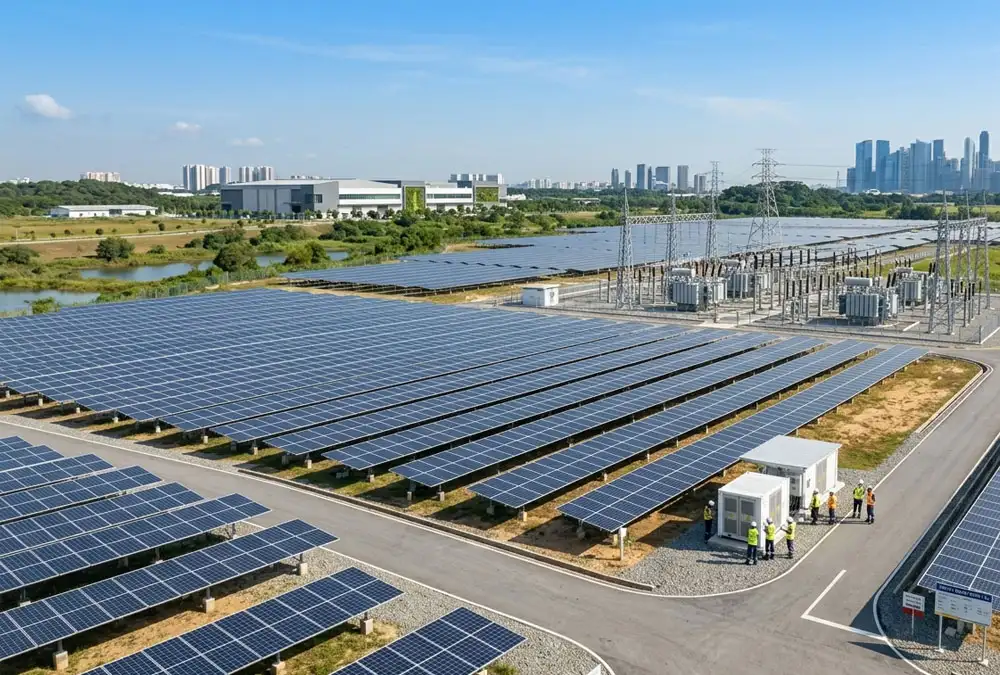
Utility-scale solar farms frequently select the traditional EPC model. This structure allows developers to retain tight control over panel procurement, helping them optimize their long-term capital allocation strategies.
Commercial & Industrial Solar Projects
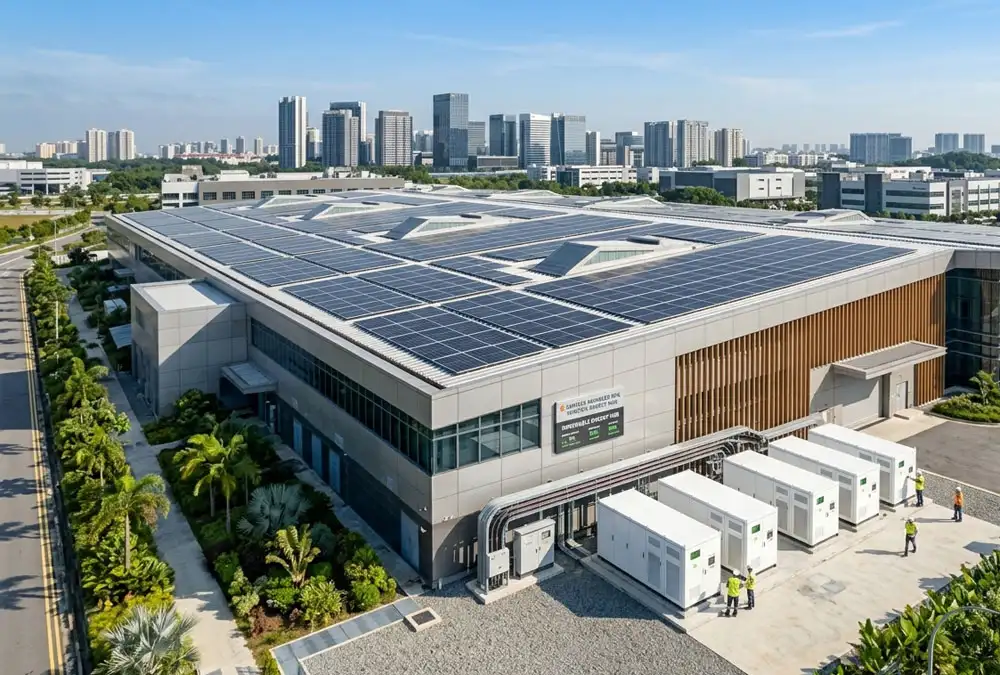
On-site corporate solar installations favor epc turnkey solutions for renewable energy. Businesses prefer a single contractor to handle everything, ensuring minimal disruption to daily factory operations.
Battery Energy Storage Systems (BESS)
To maximize financial returns, we recommend deploying a Containerized All-in-One Liquid-Cooled LFP BESS Asset. This heavy-duty system integrates premium Lithium Iron Phosphate (LiFePO4) cells, bidirectional power conversion hardware, and smart thermal management inside a single weatherproof enclosure. Choosing a turnkey delivery path ensures the system’s liquid cooling and fire suppression controls are fully programmed and tested before arriving on site, avoiding expensive field integration errors.
Technical Note: Lithium Iron Phosphate (LiFePO4) chemistry delivers outstanding thermal stability and long cycle life for industrial applications. If your site faces space constraints, alternative technologies like flow batteries offer excellent long-duration discharge options, though they require a significantly larger physical installation footprint.
EV Charging Station Deployment
Fleet charging infrastructure fits perfectly within a turnkey execution model. The provider manages the complete rollout, from initial utility load evaluations through civil trenching and final charger commissioning.
Integrated Solar + Storage Solutions
Combining solar panels with localized battery storage requires precise software integration. A turnkey approach ensures your energy management system is properly calibrated to handle peak-shaving operations automatically.
Which Model Is Best for Renewable Energy Projects?
If your project prioritizes speed and complete risk insulation, turnkey is the clear choice. If your team requires deep, line-item control over hardware procurement, traditional EPC is the better fit.
Decision Guide: Should You Choose EPC or Turnkey?
Evaluate Project Complexity
Multi-asset microgrids that integrate solar, BESS, and EV charging infrastructure are highly complex. They benefit significantly from the unified engineering control that turnkey delivery provides.
Assess Internal Technical Capabilities
Be honest about your team’s available bandwidth. If your staff is already fully extended, choosing a turnkey provider protects your project from getting bogged down in administrative delays.
Analyze Risk Tolerance
If your investment model requires absolute cost certainty, turnkey is the best option. It shifts unexpected construction and material price risks away from your balance sheet.
Consider Financing Requirements
Commercial lenders look favorably on turnkey contracts. The comprehensive performance guarantees and fixed price contract structure make the project highly bankable and easier to finance.
Determine Desired Level of Control
If your technical team wants to oversee every step of the design process, traditional EPC provides the structural checkpoints needed to maintain that level of involvement.
Questions to Ask Before Making a Decision
Review this quick checklist to clarify your project delivery priorities before signing a contract:
- Do you have an experienced project management team?
- Do you want maximum control over procurement?
- Is schedule certainty critical?
- Is risk transfer a priority?
- Do you require guaranteed performance?
Why More Renewable Energy Developers Are Choosing Turnkey EPC Solutions
Reduced Project Risks
Unifying engineering and construction under one roof eliminates the expensive coordination errors that frequently disrupt fragmented projects.
Faster Time to Revenue
Streamlined execution paths help your system start generating clean power sooner, accelerating your timeline to positive cash flow.
Simplified Contractor Management
Your management team deals with a single point of contact, reducing administrative overhead and speeding up project communication.
Improved Cost Predictability
The strict lump-sum pricing structure protects your capital budget from unexpected material price spikes and field labor overruns.
Better Long-Term Performance Accountability
A single provider stands behind the performance of your entire system, ensuring you avoid finger-pointing if any sub-components underperform.
Frequently Asked Questions About EPC vs Turnkey
Is EPC the same as Turnkey?
No. EPC focuses strictly on engineering, procurement, and construction execution. Turnkey encompasses the complete operational rollout, delivering a fully tested, ready-to-use facility.
Which is cheaper, EPC or Turnkey?
EPC may show a lower initial bid, but turnkey often delivers better final value by shielding owners from expensive mid-project change orders and integration delays.
Which is faster, EPC or Turnkey?
Turnkey is faster. It utilizes integrated, parallel workflows that allow civil site preparation to proceed alongside ongoing electrical design work.
Which model carries more risk?
EPC shares specific risks between the owner and builder. Turnkey transfers almost all design and construction risks directly to the contractor, protecting the owner.
Can an EPC contractor offer Turnkey services?
Yes. Top-tier firms frequently expand their traditional scope to offer comprehensive turnkey services, managing everything from initial permitting through final performance optimization.
Which model is best for solar projects?
Utility-scale installations often select EPC for tight procurement control. Commercial and industrial projects favor turnkey to minimize internal resource strain.
Which model is best for BESS projects?
Turnkey is highly recommended for BESS. It ensures complex liquid cooling and safety systems are fully integrated and tested before the hardware arrives on site.
Conclusion: EPC vs Turnkey – Choosing the Right Strategy for Project Success
Key Takeaways
- EPC focuses on engineering, procurement, and construction execution.
- Turnkey focuses on delivering a fully operational facility.
- EPC offers greater flexibility and owner involvement.
- Turnkey offers greater convenience, speed, and risk transfer.
- The best choice depends on project complexity, internal capabilities, risk tolerance, and long-term business goals.
Aligning your contract structure with your internal technical capabilities is essential for securing a strong return on investment. For most commercial solar, energy storage, and EV charging projects, an integrated Turnkey EPC Solution provides the best balance of speed, risk transfer, and long-term performance accountability. To learn more about how custom solar and energy management assets can lower your operating costs, visit the official AnengJi Power website and connect with our engineering team today.
Related Posts
 https://anengjibattery.com/wp-content/uploads/2026/10/AnengjiBattery-Cell-to-Pack-Energy-Density-Comparison.webp
675
1000
Battery Expert Team
https://anengjibattery.com/wp-content/uploads/2025/06/logo2-300x138.png
Battery Expert Team2026-10-23 06:58:392026-10-23 06:58:41What Does Lithium-Ion Battery Energy Density Really Mean?
https://anengjibattery.com/wp-content/uploads/2026/10/AnengjiBattery-Cell-to-Pack-Energy-Density-Comparison.webp
675
1000
Battery Expert Team
https://anengjibattery.com/wp-content/uploads/2025/06/logo2-300x138.png
Battery Expert Team2026-10-23 06:58:392026-10-23 06:58:41What Does Lithium-Ion Battery Energy Density Really Mean? https://anengjibattery.com/wp-content/uploads/2026/10/AnengjiBattery-Lithium-Battery-Management-in-Daily-Operation.webp
675
1000
Battery Expert Team
https://anengjibattery.com/wp-content/uploads/2025/06/logo2-300x138.png
Battery Expert Team2026-10-22 08:17:332026-10-23 06:58:57How Does a Lithium BMS Improve Battery Longevity?
https://anengjibattery.com/wp-content/uploads/2026/10/AnengjiBattery-Lithium-Battery-Management-in-Daily-Operation.webp
675
1000
Battery Expert Team
https://anengjibattery.com/wp-content/uploads/2025/06/logo2-300x138.png
Battery Expert Team2026-10-22 08:17:332026-10-23 06:58:57How Does a Lithium BMS Improve Battery Longevity? https://anengjibattery.com/wp-content/uploads/2026/10/AnengjiBattery-Industrial-Power-Under-Real-Load.webp
675
1000
Battery Expert Team
https://anengjibattery.com/wp-content/uploads/2025/06/logo2-300x138.png
Battery Expert Team2026-10-22 07:04:542026-10-22 07:05:30How Does a 48V LiFePO4 BMS Protect Industrial Power?
https://anengjibattery.com/wp-content/uploads/2026/10/AnengjiBattery-Industrial-Power-Under-Real-Load.webp
675
1000
Battery Expert Team
https://anengjibattery.com/wp-content/uploads/2025/06/logo2-300x138.png
Battery Expert Team2026-10-22 07:04:542026-10-22 07:05:30How Does a 48V LiFePO4 BMS Protect Industrial Power? https://anengjibattery.com/wp-content/uploads/2026/10/AnengJIBattery-Electric-Forklift-Battery-Buying-Decision.webp
675
1000
Battery Expert Team
https://anengjibattery.com/wp-content/uploads/2025/06/logo2-300x138.png
Battery Expert Team2026-10-21 06:22:222026-10-21 06:22:38Ready to Buy Battery for Electric Forklift? Use This Guide
https://anengjibattery.com/wp-content/uploads/2026/10/AnengJIBattery-Electric-Forklift-Battery-Buying-Decision.webp
675
1000
Battery Expert Team
https://anengjibattery.com/wp-content/uploads/2025/06/logo2-300x138.png
Battery Expert Team2026-10-21 06:22:222026-10-21 06:22:38Ready to Buy Battery for Electric Forklift? Use This Guide


Leave a Reply
Want to join the discussion?Feel free to contribute!