
Lithium vs Lead Acid Golf Cart battery: Which Is Worth Buying?
August 12, 2026 / Battery Expert Team / Battery Basics
Introduction
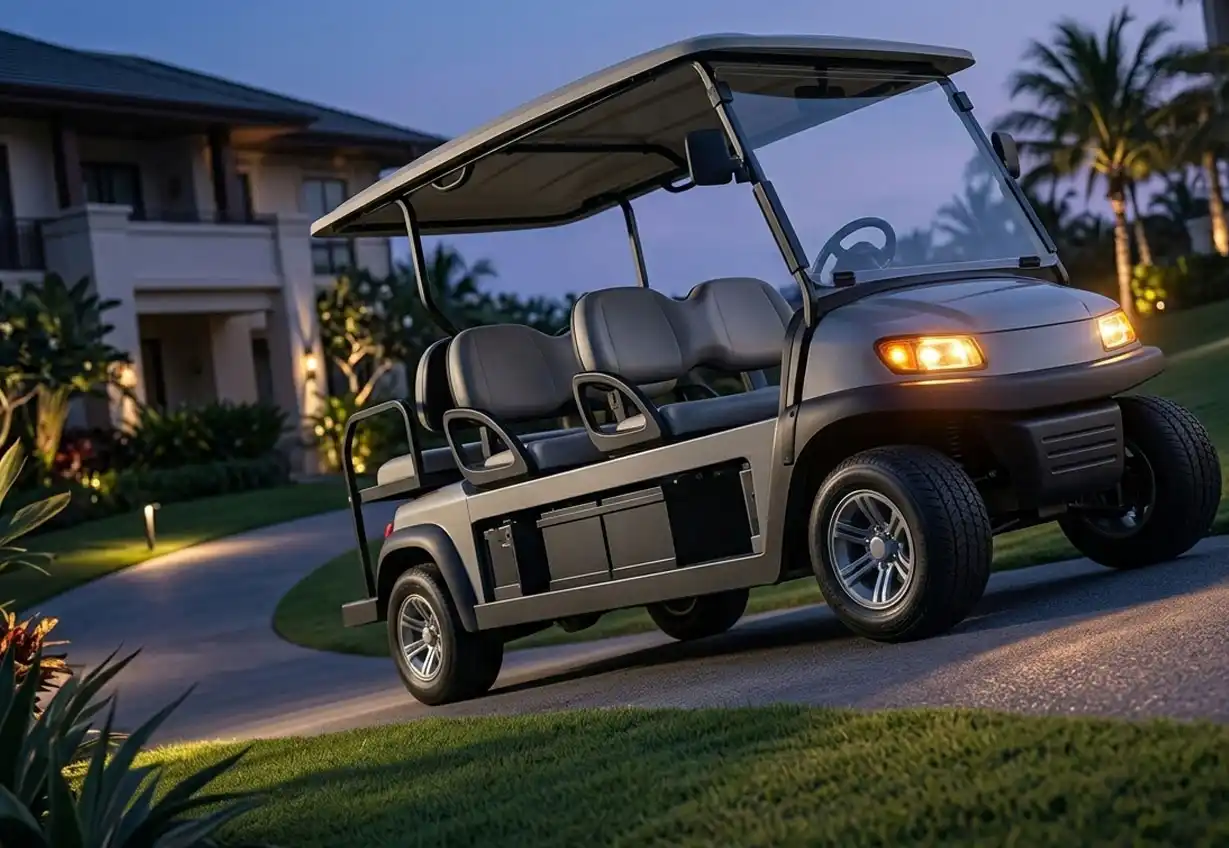
I see fleet owners getting burned constantly by upfront pricing traps. They purchase cheap flooded cells expecting a simple bargain, but ended up stuck with massive maintenance bills later. When looking at the **Lithium vs Lead Acid Golf Cart** debate, the immediate price tag tells a massive lie. For a machine that runs daily, needs real power, and handles steep hills, a LiFePO4 pack delivers far superior long-term savings. Traditional flooded options only make sense if the vehicle sits idle for most of the year. Let us look past the marketing noise and break down the real engineering numbers.
For high-frequency fleet applications, modern lithium chemistry easily solves the core problems of early voltage drops and heavy plate degradation. Buyers regularly ask if they can just drop these new packs into an old chassis without making any changes. The truth is, a proper conversion requires matching your motor controller limits and upgrading to a dedicated charger. Let us look at how these competing battery chemistries perform under real garage operating conditions.
| Your Primary Operating Priority | Recommended Battery Solution | Buyer Benefit & Decision Value |
|---|---|---|
| Lowest upfront purchase cost | Lead Acid | Saves initial cash but guarantees higher monthly maintenance labor hours later. |
| Longest possible working life | LiFePO4 | Eliminates replacement headaches for a decade, saving thousands in fleet turnaround costs. |
| Fast opportunistic charging | LiFePO4 | Allows quick midday top-offs between rental shifts, increasing daily vehicle utilization. |
| Zero ongoing fluid maintenance | LiFePO4 | Completely removes the need for weekly distilled water top-offs and toxic terminal cleaning. |
| Lightweight vehicle chassis | LiFePO4 | Cuts out up to 300 pounds of dead weight, reducing wear on brakes and soft turf. |
| Frequent commercial fleet use | LiFePO4 | Delivers maximum daily range and consistent uphill acceleration under heavy passenger loads. |
Lithium vs Lead Acid Golf Cart Batteries: What Is the Real Difference?
The core differences between these battery systems start deep inside the chemical cells. These internal traits dictate exactly how your vehicle accelerates, handles heavy cargo, and holds up over years of service.
Lithium Golf Cart Batteries
Modern premium systems use Lithium Iron Phosphate cells, commonly known as LiFePO4 chemistry. This chemical structure is vastly superior to older lithium cobalt formulations because it offers exceptional thermal stability and will not catch fire if punctured. These advanced packs carry an incredibly high energy density, allowing you to store double the usable energy inside a much smaller, lighter footprint.
A high-quality lithium golf cart battery operates at nearly 99% round-trip energy efficiency. This means almost every watt you pump into the cells during charging converts directly into raw driving range. Furthermore, these systems come integrated with an electronic Battery Management System. The BMS constantly monitors individual cell voltages, prevents dangerous overcharging, and stops the pack from draining too deeply during long work shifts.
Lead Acid Golf Cart Batteries
Traditional choices use a crude combination of heavy lead plates submerged in a volatile sulfuric acid solution. A standard flooded lead acid golf cart battery requires constant manual inspections. You have to top off the fluid levels with distilled water weekly to keep the internal plates from warping. If your maintenance team forgets this step, the cells will fail permanently within a few short months.
Buyers can also choose sealed alternatives like Absorbed Glass Mat or Gel cell configurations. These designs use tight fiberglass separators or thickened silica gles to trap the electrolyte. While an AGM setup stops acid from spilling out on bumpy roads, it still suffers from massive weight penalties and a short operational lifespan. The main reason buyers still select these options is their low initial cost. The factories built to make these legacy cells have been around for decades, keeping upfront prices low.
Why Golf Cart Battery Chemistry Matters
The chemical makeup of your cells directly affects your daily driving experience. Heavy lead plates drag down the chassis, increase rolling resistance, and force the motor to draw higher continuous current just to maintain cruising speed. When you drain a lead pack past 50% Depth of Discharge, its internal voltage drops off a cliff. This causes the vehicle to crawl painfully slowly up hills. A lithium pack maintains a nearly flat voltage curve until the cells are completely empty, keeping your vehicle running at full speed all day long.
Lithium vs Lead Acid Golf Cart Battery Comparison
Let us look at a direct technical breakdown between these two competing battery architectures to see how they perform across core operating metrics.
| Technical Performance Metric | Modern Lithium / LiFePO4 | Traditional Lead Acid | User Benefit & Decision Value |
|---|---|---|---|
| Initial Purchase Cost | Higher initial investment | Lower upfront price | Lead acid saves cash today, while lithium lowers total long-term operating costs. |
| Total Pack Weight | Very light (Under 100 lbs) | Extremely heavy (350+ lbs) | Lithium reduces chassis strain and stops severe turf compaction on fairways. |
| Energy Density | Excellent (High Wh/kg) | Very low (Heavy and bulky) | Saves massive structural space in the battery bay for extra storage. |
| Charging Speed | Fast (Fully charged in 2-5 hours) | Slow (Requires 8-12 hours) | Lithium allows quick turnaround times for multi-shift industrial applications. |
| Usable Energy Capacity | Up to 95% safe DoD | 50% recommended max DoD | Gives you access to almost all stored power without causing internal plate damage. |
| Ongoing Maintenance | Zero fluid management duties | High (Requires constant watering) | Removes manual garage labor hours and protects the bay from messy acid spills. |
| Expected Working Life | 3,000 – 5,000 full cycles | 300 – 500 total cycles | Outlasts legacy lead alternatives by up to ten times, saving money on replacements. |
| Voltage Stability | Stays flat until empty | Drops steadily as energy drains | Maintains full vehicle torque and top speed even when the capacity drops below 20%. |
Weight and Energy Density
A standard 48V lead-acid configuration uses six heavy 8-volt batteries wired in series. This clunky setup regularly adds over 350 pounds to your vehicle’s frame. Upgrading to a modern single-pack 48V golf cart battery alternative drops that weight below 95 pounds. This instant weight reduction improves acceleration, makes steering lighter, and lowers the energy draw needed to climb hills.
Charging Speed and Efficiency
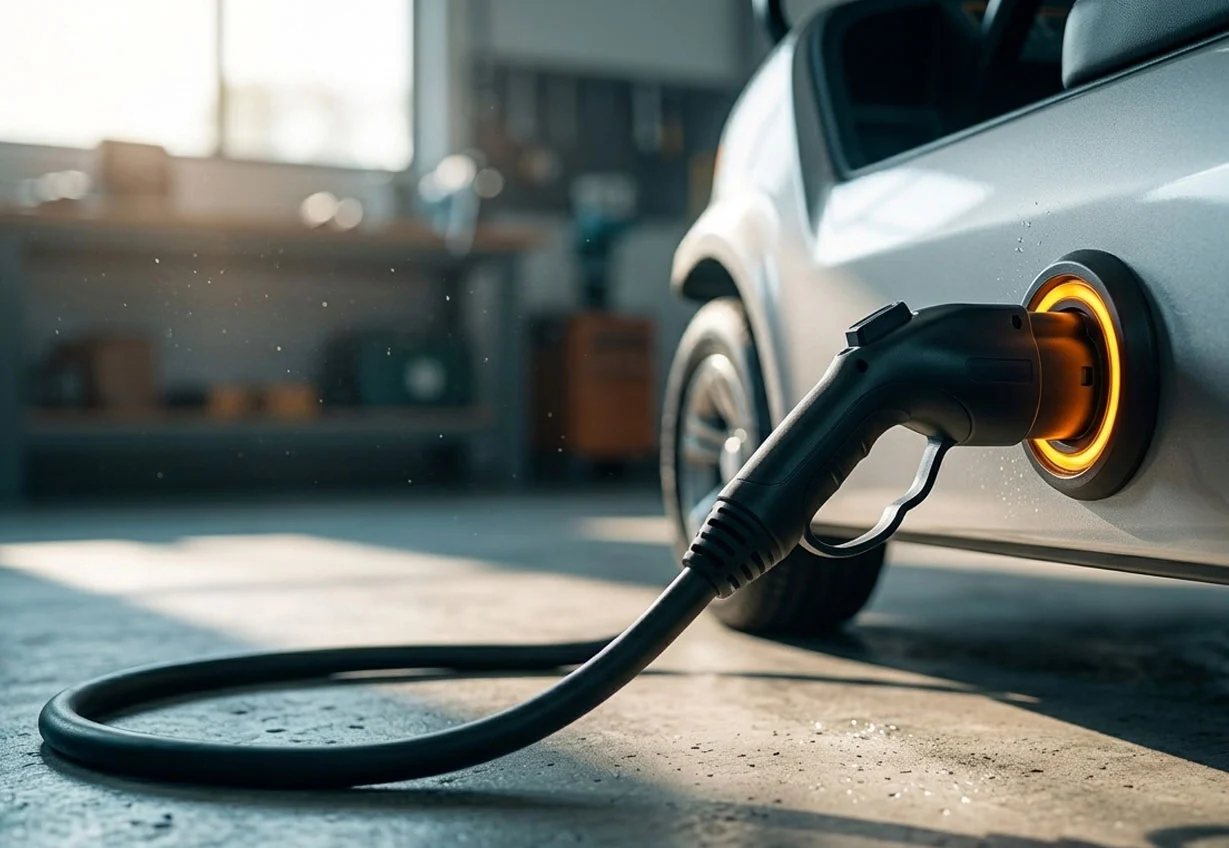
Lead-acid batteries require a slow, three-stage charging profile that takes 8 to 12 hours to complete safely. If you try to fast-charge them, the internal electrolyte will boil and ruin the plates. A modern lithium pack can safely accept high-amperage charging currents, cutting your total lithium golf cart battery charging time down to 2 to 4 hours. This allows rental fleets to charge their vehicles during lunch breaks, keeping them working through afternoon shifts.
Maintenance Requirements
Flooded cells present serious long-term maintenance headaches. Your staff must wear protective gear to manually add distilled water to every single cell weekly. They also have to constantly scrub away corrosive white acid crust from the terminals. A lithium pack completely removes these chores. The internal cells are permanently sealed, so you never have to open the case or top off fluid levels.
Why Choose Lithium Golf Cart Batteries Over Lead Acid?
When you look past the initial price tag, upgrading to lithium chemistry offers clear operational advantages for commercial operators.
Longer Golf Cart Battery Life
A standard lead-acid pack delivers roughly 300 to 500 discharge cycles before its capacity drops below usable limits. By comparison, high-quality LiFePO4 cells consistently provide 3,000 to 5,000 full cycles before showing real degradation. This means a single lithium pack will regularly outlast six separate sets of lead-acid batteries, protecting your business from rising replacement costs over a ten-year timeline.
To accurately calculate the real-world lifespan of any battery bank in a commercial garage setting, engineering teams use a standard formula that connects daily usage habits with environmental conditions:
Real Lifespan (Years) = (Total Cycle Life × Operating Temperature Factor) ÷ (Daily Cycles × Annual Days of Use)
If you run a standard lead-acid pack past 50% DoD in high summer temperatures, its chemical degradation accelerates rapidly. This often cuts its actual working life down to less than two years. According to academic research published in the Depth of Discharge engineering database, keeping discharge levels shallow is critical for protecting lead plates from structural damage. Lithium chemistry handles deep discharges much better, maintaining its capacity over years of daily use.
Lightweight Lithium Battery Design
Cutting hundreds of pounds from your vehicle’s frame does more than just protect the grass on golf courses. It significantly reduces mechanical wear on your motor controller, wheel bearings, and brake pads. A lighter cart requires less stopping distance, making it much safer to operate on steep resort paths and crowded industrial facility floors.
Faster Charging
For high-frequency commercial operations, vehicle downtime equals lost revenue. The slow charging speed of old lead-acid setups forces you to buy extra vehicles just to keep up with daily schedules. Switching to lithium lets you charge vehicles quickly during short breaks, keeping your existing fleet running without expensive additions.
More Consistent Power Output
Traditional lead-acid batteries suffer from a distinct disadvantage as they drain. Their voltage drops steadily throughout the day. This leaves drivers struggling to climb steep inclines once the battery falls below half capacity. A lithium pack maintains a steady voltage output across its entire discharge cycle. This ensures your vehicles deliver full torque and acceleration until the battery is completely empty.
Lower Maintenance
Choosing lithium removes all the daily maintenance chores that come with older battery types. You no longer have to pay staff to manage water levels, clean up messy acid leaks, or handle corroded terminals. This allows your team to focus on real mechanical repairs, lowering your overall garage labor costs.
Lithium vs Lead Acid Golf Cart Cost: What Does It Really Cost?
To understand the real financial impact of your choice, you must look beyond the initial purchase price and calculate the total cost of ownership over a full ten-year operational timeline.
Upfront Purchase Cost
A set of standard 48V flooded lead-acid batteries usually costs between $800 and $1,200. A high-quality lithium conversion kit can cost anywhere from $1,800 to $3,000 depending on the total capacity you choose. While this higher price can surprise some buyers, looking closely at how often you have to replace lead-acid batteries reveals the true value of upgrading.
Replacement Frequency
Over a standard ten-year commercial schedule, a busy fleet will go through three to four complete sets of traditional lead-acid batteries. By comparison, a single well-managed LiFePO4 pack will easily last the entire decade without needing a replacement. When you add up the purchase price of those multiple lead-acid sets, the initial cost advantage of the older technology disappears completely.
Maintenance and Charging Cost
Traditional batteries bring hidden long-term costs that quickly add up. You have to pay for hundreds of hours of manual labor for regular watering and cleaning. Their low charging efficiency also wastes significant electricity, raising your monthly utility bills. According to recent data from the BloombergNEF Lithium-Ion Battery Survey, the cost of lithium cells across the industry has dropped to a record low of $81/kWh. This makes switching to lithium more affordable than ever for commercial operations.
Total Cost of Ownership: Lithium vs Lead Acid
Let us look at a direct ten-year financial comparison for a single commercial cart to see the real savings:
| Expense Category Over 10 Years | Modern Lithium (1 x 100Ah Pack) | Traditional Flooded Lead-Acid | User Benefit & Decision Value |
|---|---|---|---|
| Initial Upfront Purchase | $2,200 | $1,000 | Lithium requires more initial cash, but saves you from frequent future purchases. |
| Replacement Costs (Years 3, 6, 9) | $0 (Pack lasts 10 years) | $3,000 (3 replacements) | Eliminates the future material expenses of buying new battery sets over time. |
| Maintenance Labor & Water Fluid | $0 (Zero service needed) | $1,500 (Labor hours) | Saves significant shop hours, allowing mechanics to focus on real repairs. |
| Electricity Charging Costs | $600 (99% high efficiency) | $1,100 (75% lower efficiency) | Lowers your monthly facility utility bills by reducing wasted energy during charging. |
| Total 10-Year Cost of Ownership | $2,800 | $6,600 | Saves over $3,800 per vehicle, greatly increasing long-term fleet profitability. |
Which Golf Cart Battery Is Better for Different Users?
The right choice for your vehicle depends entirely on how often you drive, your daily mileage needs, and your available maintenance budget.
Lithium Batteries Are Better for Frequent Golf Cart Users
If you run your vehicles every day for long distances, carry heavy passenger loads, or drive over hilly terrain, lithium is the clear choice. Its ability to handle deep discharges, accept fast opportunity charging, and maintain full power output makes it ideal for demanding daily use.
Lead Acid Batteries May Suit Occasional Users
If your cart only gets used a few times a month for short trips around a flat neighborhood, a traditional lead-acid pack can work perfectly fine. As long as you remember to keep the fluid levels topped off, the low upfront cost makes it a practical choice for light, occasional use.
Lithium Is Better for Fleet and Commercial Golf Carts
For commercial operators managing golf courses, resorts, hotels, or industrial delivery fleets, choosing lithium is an easy business decision. It eliminates vehicle downtime, removes the need for regular battery maintenance, and cuts your total cost of ownership by more than half over the life of the vehicle.
Lithium vs Lead Acid Golf Cart Battery Range and Performance
Let us look at how changing your battery type affects the real-world driving distance and performance of your vehicles.
What Determines Golf Cart Range?
Your actual driving distance per charge depends on several different factors:
- Total Battery Capacity: Stored energy measured in Watt-hours determines your overall range baseline.
- Overall Vehicle Weight: Heavy battery plates force the motor to draw more continuous current.
- Terrain and Inclines: Climbing steep hills drains your available energy much faster than flat pavement.
- Tire Configuration: Oversized off-road tires increase rolling resistance and lower your range.
- Driving Habits: Constant full-throttle acceleration drains the cells quicker than smooth cruising.
48V Lithium Golf Cart Battery Range Example
To accurately calculate the expected driving distance of any electric vehicle layout, engineering teams use a standard formula that compares usable energy storage against the energy consumed per mile:
Driving Range (Miles) = (Nominal Voltage × Ah Capacity × Safe DoD Percentage) ÷ Energy Draw per Mile
Let us look at a standard 48V lithium vs lead acid golf cart battery comparison as a clear real-world example. A high-quality 48V 100Ah lithium pack provides 5,120 Watt-hours of total energy. Because you can safely use up to 95% of that capacity, you have 4,864 Watt-hours of usable energy available. A standard four-passenger utility vehicle traveling over semi-flat ground draws about 100 Watt-hours per mile. The math is simple:
4,864 Wh ÷ 100 Wh/mile = 48.6 Miles of continuous driving range
By comparison, a traditional 100Ah lead-acid bank only gives you about 2,560 Watt-hours of usable energy. It cannot be discharged past 50% DoD without causing permanent plate damage. When you add the extra 250 pounds of dead weight from the heavy lead plates, the vehicle’s energy consumption jumps to 125 Watt-hours per mile. This cuts your actual driving distance down to less than 20 miles per charge.
Why Two 48V Batteries Can Have Different Ranges
Not all 48V battery systems deliver the same performance. A pack rated at 150Ah carries much more stored energy than a 100Ah pack, giving you significantly longer range. Differences in cell quality, BMS efficiency limits, and operating temperatures will also cause noticeable differences in real-world driving distance on the track.
Are Lithium Golf Cart Batteries Compatible With Your Golf Cart?
Before buying a new lithium conversion kit, you need to make sure the system will work safely with your vehicle’s existing components.
Check Your Golf Cart Voltage
You must select a battery pack that matches the nominal operating voltage of your vehicle’s motor. Most standard carts use 36-volt or 48-volt systems, while high-power utility vehicles often run on 72-volt platforms. Connecting a battery with the wrong voltage can instantly destroy your motor controller electronics.
Check Battery Dimensions and Mounting
Traditional setups use multiple smaller 6V or 8V battery boxes linked together with jumper wires. Modern lithium options usually come as a single, large metal box. You need to measure your vehicle’s battery bay to make sure the new pack will fit securely and can be held down safely with mounting brackets.
Check Motor and Controller Compatibility
Modern lithium packs can deliver very high continuous discharge currents. You need to make sure your vehicle’s motor controller can handle these power levels without overheating or triggering safety shutdowns during heavy acceleration.
Why the Charger Must Match the Lithium Battery
You cannot use an old lead-acid charger on a new lithium battery pack. Lead chargers are designed to deliver a high-voltage equalization charge that will trigger the safety switches on a lithium BMS. You must use a dedicated charger with a specific LiFePO4 charging profile to charge the cells safely and efficiently.
Converting a Golf Cart From Lead Acid to Lithium
Upgrading your vehicle to modern lithium chemistry is a straightforward process when you use a complete factory conversion kit.
What Needs to Be Replaced?
A standard lithium conversion requires replacing a few key components in your battery bay:
- Old Battery Pack: Remove all the heavy lead-acid boxes from the chassis tray.
- Dedicated Charger: Install a matching smart charger with a specific LiFePO4 profile.
- Heavy-Duty Cables: Upgrade to thick, high-quality copper wiring to handle the current safely.
- Digital Display: Mount a new battery gauge to track your precise state of charge.
- Mounting Brackets: Use sturdy spacers to secure the new, smaller battery box in place.
Can You Use the Existing Lead Acid Charger?
No, this is a dangerous mistake that can permanently ruin your new battery pack. Lithium cells require a precise Constant Current/Constant Voltage charging method. You must use a matching charger that connects directly with the internal BMS to ensure safe, balanced charging.
Do You Need to Modify the Golf Cart?
Most premium lithium upgrade kits are designed as direct drop-in replacements that fit standard vehicle battery trays perfectly. You rarely need to make complex structural changes to the chassis frame to complete the installation successfully.
Lithium vs Lead Acid Golf Cart Safety and Maintenance
Operating high-capacity battery systems safely requires understanding how different chemistries handle daily operation and long-term storage.
Lithium Battery Safety
Modern LiFePO4 packs are inherently very safe to operate. Every quality pack features an integrated electronic Battery Management System that acts as a continuous safety shield. The basic engineering relationships of these protective systems are defined in the Electric Power Physics Guide. The BMS monitors cell conditions in real time, automatically shutting down power delivery if it detects dangerous overcharging, deep over-discharging, short circuits, or excessive heat.
Lead Acid Battery Maintenance
Traditional flooded cells carry constant safety risks. They vent explosive hydrogen gas during charging, requiring well-ventilated garage bays. The open liquid acid can spill on bumpy roads, causing severe corrosion on your vehicle’s frame and garage floor if it is not cleaned up immediately.
Charging and Storage Best Practices
When storing your vehicle for the winter, lead-acid batteries must be kept fully charged to prevent the internal plates from freezing and cracking. Lithium packs prefer to be stored at a partial 50% to 80% state of charge. You should also turn off the main switch to prevent small electrical draws from draining the pack while it sits idle.
Common Myths About Lithium Golf Cart Batteries
Let us clear up some common misunderstandings about upgrading to lithium technology.
“Lithium Batteries Are Not Safe”
This myth comes from older lithium-ion chemistries used in cell phones and laptops. Modern commercial vehicle packs use LiFePO4 chemistry, which is exceptionally stable. It cannot trigger dangerous thermal runaway even if the outer metal case suffers a severe impact.
“Lithium Batteries Are Too Expensive”
While the initial purchase price is higher, looking at the total cost of ownership tells a completely different story. Because a single lithium pack easily outlasts three to four sets of traditional lead-acid batteries, it saves you significant money over the life of the vehicle.
“Lithium Batteries Are Difficult to Install”
This is simply incorrect. Premium modern upgrade kits come as pre-assembled, drop-in boxes that fit standard battery trays perfectly. The installation is simple and can be completed by any fleet mechanic in less than an hour.
“Lithium Batteries Cannot Work in Cold Weather”
Standard lithium cells cannot accept a charge if internal temperatures drop below freezing. However, premium commercial packs solve this issue by including integrated self-heating circuits. These warm the cells to a safe temperature before allowing the charging current to start.
How to Choose the Right Lithium Golf Cart Battery
Selecting the ideal battery pack for your vehicles requires matching the system’s specifications to your daily operational needs.
Match Voltage to Your Golf Cart
Always verify the nominal voltage of your vehicle’s motor before purchasing a new pack. You must choose a matching 36V, 48V, or 72V configuration to prevent damaging your motor controller electronics.
Choose the Right Battery Capacity
Select an Amp-hour rating that easily handles your longest daily routes without needing a recharge:
- 50Ah Capacity: Best for light, personal use on short neighborhood trips.
- 100Ah Capacity: The standard choice for commercial golf courses and resort shuttles.
- 150Ah Capacity: Built for heavy cargo hauling and demanding maintenance utility trucks.
- 200Ah Capacity: Designed for continuous multi-shift industrial facility transport trams.
Check BMS Specifications
Make sure the integrated BMS can handle the peak startup current required by your motor controller. A high continuous discharge rating is essential for maintaining smooth power when accelerating up steep hills under full loads.
Check Battery Warranty and Cycle Life
Look past simple marketing promises and check the written warranty terms. Choose manufacturers that clearly guarantee their cell capacity over thousands of cycles, ensuring reliable long-term performance. According to the strict safety requirements of the IEC 62619 Standard, industrial-grade lithium packs must pass rigorous testing to ensure long-term cell stability and safe power delivery under heavy commercial loads.
When Is It Worth Upgrading From Lead Acid to Lithium?
Let us look at a simple decision guide to help you choose the best battery technology for your specific situation.
Upgrade If You Drive Frequently
If your vehicles run multiple times a day for demanding commercial work, upgrading to lithium is a smart business move. The long lifespan and zero maintenance will save you significant money over time.
Upgrade If You Need More Range
If your current lead-acid pack leaves your drivers stranded halfway through a shift, switching to lithium instantly fixes the issue. It delivers up to three times the driving distance from a single charge.
Upgrade If You Want Less Maintenance
If you are tired of checking fluid levels, adding distilled water every week, and cleaning up corrosive acid leaks, lithium removes all of these chores from your garage schedule.
Upgrade If You Operate a Commercial Fleet
For fleet operators, choosing lithium lowers your overall cost of ownership, eliminates daily vehicle downtime, and improves daily fleet efficiency.
Keep Lead Acid If Initial Cost Is Your Main Priority
If your vehicle only gets used occasionally for short trips and you have the time to handle regular maintenance, a traditional lead-acid pack remains a practical, low-cost choice.
Why Choose AnengJi for Lithium Golf Cart Battery Upgrades?
Sourcing your replacement packs directly from an experienced industrial manufacturer ensures your battery systems operate reliably in the field.
Purpose-Built 48V Golf Cart Lithium Batteries
AnengJi designs high-performance lithium systems specifically tailored for demanding commercial vehicle applications. Our packs use top-tier LiFePO4 cells to deliver exceptional range and reliable power output shift after shift.
Plug-and-Play Battery Design
Our upgrade kits are built as direct drop-in boxes that fit standard vehicle battery trays perfectly. This allows your maintenance team to upgrade your fleet quickly without complex chassis modifications.
Integrated BMS Protection
Every AnengJi pack features an advanced Battery Management System that continuously monitors cell conditions. This system provides comprehensive protection against overcharging, deep over-discharging, and short circuits, ensuring safe operation across your entire daily route.
Self-Heating Technology for Cold-Weather Applications
To ensure dependable performance in cold climates, AnengJi offers an optional built-in self-heating system. When you connect the charger in freezing temperatures, the internal heating circuits warm the cells to a safe temperature before allowing the charging current to start. This protects the cells from permanent cold-weather damage.
Different Battery Capacities for Different Golf Cart Applications
We provide a complete range of capacity configurations tailored for various commercial and industrial vehicles:
| AnengJi Model Number | Nominal Capacity Configuration | Target Commercial Application | User Benefit & Decision Value |
|---|---|---|---|
| ES-4850 | 48V 50Ah Capacity | Light personal neighborhood use | Provides a low-cost, lightweight solution for simple short-distance daytime errands. |
| ES-48100 | 48V 100Ah Capacity | Standard golf course & resort fleets | Delivers ample all-day driving range, completely replacing old lead-acid setups. |
| ES-48150 | 48V 150Ah Capacity | Heavy maintenance & utility cargo trucks | Handles continuous heavy towing and payload hauling without losing speed. |
| ES-48200 | 48V 200Ah Capacity | Continuous industrial factory trams | Supports multi-shift non-stop facility operations with fast opportunity charging. |
Lithium vs Lead Acid Golf Cart Battery: Which One Should You Buy?
Choose Lithium If You Want
- An exceptionally long working life of over ten years.
- Fast opportunity charging speeds to reduce vehicle downtime.
- Zero manual fluid maintenance or terminal cleaning chores.
- A lightweight design that improves vehicle handling and protects turf.
- Consistent power output and full motor torque all day long.
Choose Lead Acid If You Need
- The lowest possible initial purchase price today.
- A simple replacement for an older, low-frequency vehicle.
- A battery for a cart that only gets driven occasionally for short distances.
The Bottom Line
When you look past the initial price tag, modern LiFePO4 lithium batteries deliver the best long-term value for commercial fleet operations. They eliminate daily maintenance chores, outlast older technology by several years, and cut your total operating costs by more than half over the life of the vehicle. Traditional lead-acid batteries remain a practical choice only when the lowest upfront cost is your absolute top priority.
Related Article
Related Posts
 https://anengjibattery.com/wp-content/uploads/2026/10/AnengjiBattery-Cell-to-Pack-Energy-Density-Comparison.webp
675
1000
Battery Expert Team
https://anengjibattery.com/wp-content/uploads/2025/06/logo2-300x138.png
Battery Expert Team2026-10-23 06:58:392026-10-23 06:58:41What Does Lithium-Ion Battery Energy Density Really Mean?
https://anengjibattery.com/wp-content/uploads/2026/10/AnengjiBattery-Cell-to-Pack-Energy-Density-Comparison.webp
675
1000
Battery Expert Team
https://anengjibattery.com/wp-content/uploads/2025/06/logo2-300x138.png
Battery Expert Team2026-10-23 06:58:392026-10-23 06:58:41What Does Lithium-Ion Battery Energy Density Really Mean? https://anengjibattery.com/wp-content/uploads/2026/10/AnengjiBattery-Lithium-Battery-Management-in-Daily-Operation.webp
675
1000
Battery Expert Team
https://anengjibattery.com/wp-content/uploads/2025/06/logo2-300x138.png
Battery Expert Team2026-10-22 08:17:332026-10-23 06:58:57How Does a Lithium BMS Improve Battery Longevity?
https://anengjibattery.com/wp-content/uploads/2026/10/AnengjiBattery-Lithium-Battery-Management-in-Daily-Operation.webp
675
1000
Battery Expert Team
https://anengjibattery.com/wp-content/uploads/2025/06/logo2-300x138.png
Battery Expert Team2026-10-22 08:17:332026-10-23 06:58:57How Does a Lithium BMS Improve Battery Longevity? https://anengjibattery.com/wp-content/uploads/2026/10/AnengjiBattery-Industrial-Power-Under-Real-Load.webp
675
1000
Battery Expert Team
https://anengjibattery.com/wp-content/uploads/2025/06/logo2-300x138.png
Battery Expert Team2026-10-22 07:04:542026-10-22 07:05:30How Does a 48V LiFePO4 BMS Protect Industrial Power?
https://anengjibattery.com/wp-content/uploads/2026/10/AnengjiBattery-Industrial-Power-Under-Real-Load.webp
675
1000
Battery Expert Team
https://anengjibattery.com/wp-content/uploads/2025/06/logo2-300x138.png
Battery Expert Team2026-10-22 07:04:542026-10-22 07:05:30How Does a 48V LiFePO4 BMS Protect Industrial Power? https://anengjibattery.com/wp-content/uploads/2026/10/AnengJIBattery-Electric-Forklift-Battery-Buying-Decision.webp
675
1000
Battery Expert Team
https://anengjibattery.com/wp-content/uploads/2025/06/logo2-300x138.png
Battery Expert Team2026-10-21 06:22:222026-10-21 06:22:38Ready to Buy Battery for Electric Forklift? Use This Guide
https://anengjibattery.com/wp-content/uploads/2026/10/AnengJIBattery-Electric-Forklift-Battery-Buying-Decision.webp
675
1000
Battery Expert Team
https://anengjibattery.com/wp-content/uploads/2025/06/logo2-300x138.png
Battery Expert Team2026-10-21 06:22:222026-10-21 06:22:38Ready to Buy Battery for Electric Forklift? Use This Guide


Leave a Reply
Want to join the discussion?Feel free to contribute!