
How Do Turnkey Solar Solutions Work? Commercial Cost and Execution Guide
June 12, 2026 / Battery Expert Team / energy epc
Introduction
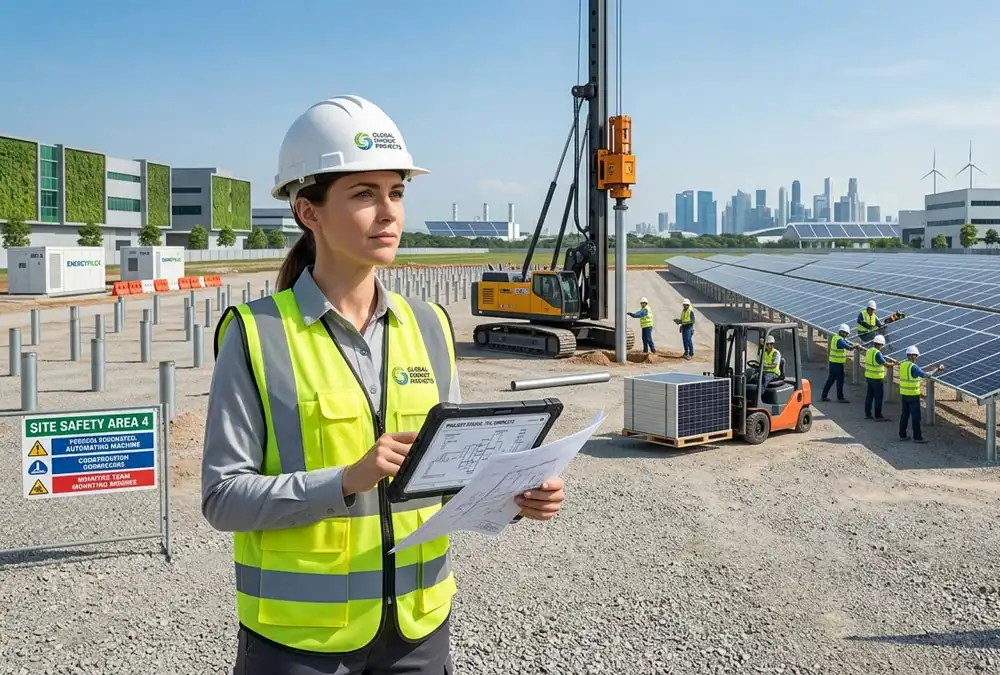
Corporate energy buyers face a critical structural decision when deploying large-scale clean power infrastructure. Choosing the right deployment framework directly impacts project risk, execution speed, and long-term financial yield. The selection of an execution model shapes your engineering safety margins and determines your true asset lifecycle costs. Many businesses evaluate the choice between unified turnkey solar solutions and fragmented engineering setups. Managing multiple equipment suppliers and separate installation crews introduces substantial interface risks for an organization. This deep dive compares centralized project delivery against traditional multi-contractor models for modern commercial enterprises.
Deploying a commercial clean energy system requires balancing complex technological components. High-efficiency photovoltaic arrays must integrate smoothly with specialized battery energy storage systems to maximize savings. Modern utility assets rely on sophisticated solar system integration to ensure stable grid interconnection. Fragmented construction management can result in costly component delays and regulatory friction. A unified turnkey solar solutions provider simplifies execution by wrapping all project phases under one contract. This comprehensive approach establishes single-point accountability for engineering accuracy and physical system performance.
The global clean energy landscape has evolved rapidly over recent years. The International Energy Agency (IEA) Renewables 2025 Report notes that commercial and utility installations drive over 75% of new global PV capacity. However, grid congestion and complex local interconnection codes make project delivery increasingly technical. Modern organizations now favor comprehensive renewable energy solutions that include grid-balancing software and automation. This guide breaks down pricing, workflows, and risk-allocation strategies to help you choose the best model for your clean energy infrastructure.
What Are Turnkey Solar Solutions? (Featured Snippet Opportunity)
Definition of Turnkey Solar Solutions
Turnkey Solar Solutions are end-to-end solar energy services where a single provider manages the entire project lifecycle, including feasibility studies, engineering design, equipment procurement, construction, commissioning, grid connection, and long-term maintenance. The client receives a fully operational solar power system without coordinating multiple contractors.
This comprehensive delivery model shifts project risk away from the asset owner. Choosing integrated turnkey solar solutions helps procurement teams avoid the friction common to multi-vendor frameworks. The principal contractor assumes full legal and financial responsibility for meeting performance targets. This structure ensures project timelines remain on schedule while providing clear cost certainty from day one.
Key Functions of Turnkey Solar Solutions
The operational framework of a turnkey project covers every development phase:
- Project Planning: Executing comprehensive on-site shadow mapping and structural load-bearing analysis.
- Engineering Design: Generating complete high-voltage electrical schematics and optimized structural layout blueprints.
- Equipment Procurement: Sourcing tier-1 PV modules and matching inverter hardware directly from manufacturers.
- Construction Management: Directing all civil grading, structural racking assembly, and high-voltage wiring installation.
- Grid Connection: Managing the technical applications required by transmission system operators.
- System Commissioning: Performing rigorous string testing and power quality verification per international standards.
- Operation and Maintenance: Providing 24/7 remote monitoring and preventive field service to maximize yield.
Who Benefits Most from Turnkey Solar Solutions?
This integrated development framework provides clear financial and operational advantages across major sectors:
- Commercial Buildings: Corporate offices and shopping centers looking to lower daytime operational costs.
- Manufacturing Facilities: High-demand factories aiming to mitigate peak demand charges.
- Logistics Warehouses: Operators using expansive roof footprints to generate clean power.
- Industrial Parks: Shared commercial sites seeking independent microgrid resilience.
Furthermore, international investment funds and independent power producers deploy these frameworks to execute large-scale utility scale solar projects efficiently.
What Is Traditional Solar Installation?
How Traditional Solar Projects Are Structured
The traditional procurement model divides project delivery into separate contracts. The asset owner acts as the primary coordinator, balancing multiple specialized parties:
- Project Owner: Manages overall financing, contract disputes, and scheduling alignment.
- Engineering Consultant: Develops the initial system blueprints and technical bidding documents.
- Equipment Suppliers: Ship modules, inverters, and racking structures to the site.
- Installation Contractors: Handle physical civil works and electrical assembly on site.
- Utility Coordination Teams: Focus on localized substation connections and regulatory compliance.
Responsibilities of the Project Owner
Procurement managers must consider the operational commitment required by a multi-vendor structure. Splitting project phases means your internal team manages day-to-day coordination. This requires substantial time spent resolving disputes between independent designers and installation crews.
The owner directly handles component logistics, delivery tracking, and on-site material storage. If hardware arrives damaged, your team negotiates replacements with the manufacturer. You must also supervise construction crews to ensure work matches design specifications. Finally, your team manages the administrative grid connection process with local utility operators.
Advantages and Limitations of Traditional Solar Installation
The multi-contractor approach offers specific benefits for certain organizations. It allows procurement teams to choose individual component suppliers freely. This granular control can sometimes result in lower upfront hardware pricing. It also suits companies with experienced in-house engineering departments.
However, this model introduces significant development risks for most businesses. Miscommunications between separate designers and builders can cause costly change orders. The owner assumes financial liability for any project delays. Managing multiple points of contact often extends total project delivery timelines.
Turnkey Solar Solutions vs Traditional Solar Installation: Key Differences
Comparing these two project frameworks highlights how structural organization impacts delivery risk. A single-contract model consolidates accountability, whereas a traditional approach distributes responsibility across several independent firms.
Project Responsibility and Accountability
The foundational differences in project structure and communication are summarized below:
| Factor | Turnkey Solar Solutions | Traditional Installation |
|---|---|---|
| Responsibility | Single Provider: Direct accountability for all project phases. | Multiple Vendors: Fragmented contracts for separate phases. |
| Accountability | Clear: The EPC contractor carries all project risk. | Shared: Risk is split among independent companies. |
| Communication | Simplified: One dedicated point of contact. | Complex: Owner manages multi-party alignment. |
Engineering and Design Management
A turnkey provider handles engineering and design through an integrated in-house team. Structural engineers work directly alongside electrical designers to optimize layouts. This close internal collaboration eliminates common technical drafting errors. The resulting blueprints align perfectly with factory component dimensions and equipment specifications.
Traditional installation relies on an independent engineering consultant for blueprints. Those designs are later passed along to separate building contractors. If installation crews discover dimensional mismatches on site, construction halts immediately. Resolving these design disputes requires expensive redesign work and extends development schedules.
Equipment Procurement and Supply Chain Control
Turnkey companies leverage deep wholesale buying power with tier-1 manufacturers. They purchase modules, inverters, and tracking systems through established supply networks. This direct procurement approach helps secure reliable component allocations during market shortages. The turnkey partner handles all shipping logistics, port customs, and on-site delivery tracking.
Traditional procurement requires the asset owner to buy hardware independently. This model leaves buyers exposed to unexpected price inflation and supply chain delays. A delay in receiving structural tracking components can stall the entire installation crew. Managing separate equipment shipping schedules significantly increases project administration burdens.
Construction Coordination
Integrated solar epc services ensure smooth physical execution on site. The turnkey project manager directs civil works, mechanical assembly, and electrical wiring in parallel. This coordinated approach eliminates scheduling conflicts between different labor trades. On-site construction proceeds efficiently under a single safety management framework.
Traditional installation requires the owner to align independent construction contractors. You must schedule civil excavators, structural builders, and industrial electricians sequentially. If one contractor experiences delays, it causes a cascading schedule impact. This disjointed execution approach increases labor friction and extends overall construction timelines.
Quality Assurance and Testing
Turnkey deployment features comprehensive quality testing throughout the entire build. Internal quality control teams verify every wiring termination and structural torque specification. Commissioning engineers use advanced thermal imaging to audit performance before grid connection. The system undergoes rigorous acceptance testing to ensure it achieves target performance ratios.
Traditional projects often face fragmented quality control processes. The installation contractor may approve their own work without independent oversight. The engineering consultant only performs periodic site visits to verify compliance. This distributed approach can leave critical wiring or structural errors undetected until after commissioning.
Warranty and After-Sales Support
Selecting integrated turnkey solar solutions provides a single comprehensive warranty wrapper. The principal contractor manages all component guarantees and performance warranties directly. If an inverter fails, you contact one company for resolution. This clear support structure ensures rapid troubleshooting and protects long-term energy generation.
Traditional procurement splits warranty coverage across multiple independent companies. The panel manufacturer may blame the installation contractor for cell damage. The installer might claim a component fault caused the system failure. The asset owner is left to settle complex warranty disputes between separate vendors.
Risk Allocation
Procurement managers must consider who handles liability when development challenges arise. A turnkey contract transfers delivery and regulatory risks entirely to the provider. If unexpected weather delays construction, the EPC contractor covers the associated labor costs. This framework gives asset owners excellent financial security and budget predictability.
Cost, Timeline, and Risk Comparison Between Turnkey Solar Solutions and Traditional Installation
Evaluating clean energy options requires a careful look at financial and scheduling metrics. While upfront contracting costs are important, businesses must focus on total cost of ownership. The comparison below examines long-term asset value and execution efficiency.
Initial Project Cost Comparison
Turnkey contracts bundle all engineering, procurement, and construction services into a fixed-price agreement. This comprehensive pricing model includes the contractor’s margin for wrapping project risk. It eliminates hidden expenses, giving your finance team complete budget certainty. Upfront costs reflect the total expenditure required to deliver an operational power plant.
Traditional setups may show slightly lower upfront bids from individual contractors. However, these itemized quotes often exclude critical project interface costs. Owners frequently face unexpected change orders due to design adjustments or component mismatches. These hidden administration expenses can quickly exceed any initial procurement savings.
Total Cost of Ownership (TCO)
Analyzing long-term expenses reveals the clear financial value of integrated development. Turnkey systems use optimized designs and tier-1 hardware to minimize ongoing maintenance costs. High-quality construction reduces equipment downtime and preserves factory warranty standing. This deliberate engineering approach protects your investment over its 25-year operational lifecycle.
Traditional procurement can lead to a higher total cost of ownership. Fragmented installation quality may result in early component failures and higher repair costs. Suboptimal string configurations can cause ongoing energy generation losses over time. These performance deficits can quickly impact your projected financial returns.
Project Timeline Comparison
An integrated development framework accelerates project delivery by running phases in parallel:
| Stage | Turnkey Solar Solutions Model | Traditional Installation Approach |
|---|---|---|
| Design Phase | Faster: Coordinated in-house engineering groups. | Longer: Sequential review and revision cycles. |
| Procurement | Coordinated: Direct bulk manufacturer purchasing. | Separate: Itemized, disjointed vendor orders. |
| Construction | Streamlined: Coordinated on-site labor management. | Fragmented: Disjointed, multi-contractor schedules. |
| Commissioning | Faster: Standardized grid testing protocols. | Variable: Multi-party validation handoffs. |
Risk Comparison
Multi-vendor setups expose owners to frequent schedule extensions and budget overruns. Material delivery delays or labor coordination challenges can quickly derail construction schedules. Quality issues may only appear late during utility grid witness testing phases. These integration problems can lead to costly delays in starting power generation.
A turnkey agreement minimizes these operational risks through single-source accountability. The principal contractor coordinates all procurement logistics and installation tracking internally. They manage the entire utility connection application pipeline to prevent activation delays. This comprehensive management approach delivers a more reliable path to commercial operation.
Which Approach Delivers Better ROI?
For financial directors, the decision comes down to accelerating time-to-revenue. Comprehensive turnkey development gets your clean energy system online months faster. Generating clean power earlier helps maximize immediate utility billing offsets. Eliminating unexpected change orders protects your projected return on investment.
Why Large-Scale Projects Prefer Turnkey Solar Solutions
Institutional investors and utility companies favor an integrated EPC model for multi-megawatt developments. Managing large-scale solar power plant construction requires specialized technical experience. This approach simplifies development, ensuring long-term bankability for substantial clean energy assets.
A turnkey structure streamlines project management by using one dedicated account manager. This central point of contact coordinates all engineering updates and permitting workflows. It eliminates the need for your team to manage daily contractor schedules. This operational efficiency allows corporate leaders to focus on core business activities.
A faster path to commercial operation provides immediate financial benefits for asset owners. Streamlined procurement workflows help prevent expensive delays in generating power. Institutional lenders also prefer projects with fixed-price turnkey delivery wraps. Clear contract structures minimize development risks, making it easier to secure project financing.
Turnkey Solar Solutions for Commercial, Industrial, and Utility-Scale Applications
Clean energy deployment must be tailored to meet the unique operational needs of different sectors. Engineering requirements vary significantly across commercial facilities, heavy industrial plants, and utility assets.
Commercial Solar Projects
Office complexes, shopping centers, and hotels often feature unutilized flat roof spaces. Turnkey commercial solar solutions deploy lightweight, non-penetrating ballasted systems to protect building structures. Installations are engineered to align generation with peak daytime cooling demands. This targeted design maximizes self-consumption rates and shortens payback periods.
Industrial Solar Projects
Manufacturing plants, chemical facilities, and logistics centers have intensive power requirements. Industrial deployments require robust engineering to integrate with complex facility switchgear. Systems use durable structural mounts designed to withstand regional wind and snow loads. These projects help businesses lower peak demand charges and secure long-term price stability.
Utility-Scale Solar Farms
Independent power producers and utility entities develop massive ground-mounted solar assets. These megawatt-scale installations require extensive civil preparation and geotechnical site engineering. Projects deploy advanced tracking systems to maximize daily solar generation efficiency. Turnkey contracts provide the strong balance sheets and technical expertise needed for large installations.
Solar Plus Battery Energy Storage Systems (BESS)
Integrating high-capacity battery storage significantly enhances the financial value of a solar asset. Comprehensive solar plus storage solutions allow businesses to capture excess daytime generation for later use. This capability enables automated peak shaving to lower utility demand charges. It also provides reliable backup power to protect operations during grid outages.
Common Challenges in Traditional Solar Installation Projects
Looking closely at multi-contractor models reveals common operational bottlenecks. Understanding these pitfalls helps procurement teams plan effectively to avoid costly project delays.
- Contractor Scheduling Conflicts: Misaligned timelines between civil and electrical crews can stall work on site.
- Procurement Sourcing Delays: Independent component orders are more vulnerable to global supply chain backlogs.
- Unexpected Budget Overruns: Design changes during construction often result in expensive change orders.
- Performance Ownership Gaps: Separate vendors may avoid responsibility for system efficiency shortfalls.
- Complex Warranty Management: Owners must negotiate with multiple manufacturers to resolve equipment faults.
How to Determine Whether Turnkey Solar Solutions Are Right for Your Project
Organizations should evaluate their internal capabilities against specific project criteria before selecting a delivery model:
- Project Scale: Megawatt-scale industrial and utility installations strongly favor an integrated EPC approach.
- Internal Engineering Resources: Companies without specialized in-house electrical teams benefit from single-source management.
- Timeline Constraints: Projects with strict completion deadlines require coordinated turnkey execution.
- Risk Management: Organizations seeking predictable budgets prefer fixed-price contract structures.
- Future Storage Strategy: Complex hybrid systems with integrated batteries run more smoothly under unified designs.
How We Deliver Turnkey Solar Solutions Across the European Union
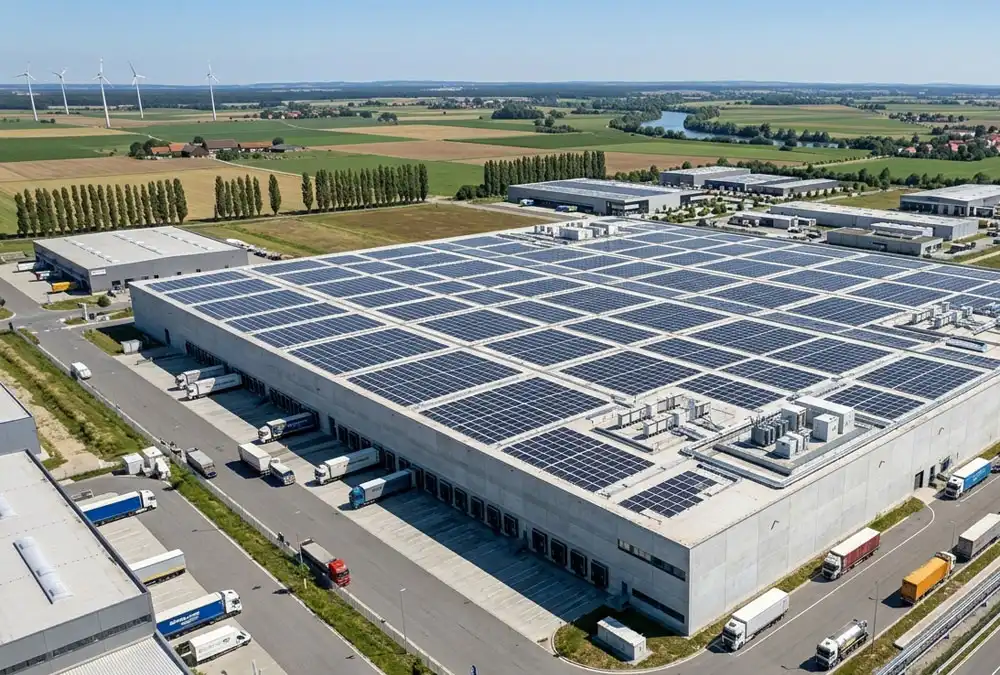
Our organization provides comprehensive, end-to-end engineering and construction management tailored for European commercial markets. We simplify deployment by directing every phase of development internally through our specialist teams.
End-to-End Solar EPC Services
We manage the entire project lifecycle, including detailed drone site assessments and energy consumption profiling. Our team develops certified electrical schematics and handles direct factory hardware procurement. We coordinate all on-site civil works, structural assembly, and final utility grid testing. This approach delivers a fully operational clean energy asset ready for commercial operation.
Compliance with EU Standards and Regulations
Our engineering processes strictly follow all European safety and performance standards. We ensure all procured hardware carries proper CE certification and meets local building requirements. Our grid connection teams work alongside regional network operators to ensure compliance with strict grid codes. This thorough administrative preparation prevents unexpected regulatory delays.
Integrated Solar + BESS Solutions
We specialize in designing and deploying integrated solar and energy storage systems. Our engineers build custom battery installations to help businesses optimize energy consumption. We use advanced liquid-cooled systems to ensure safe operation and long cell life. These hybrid configurations deliver excellent microgrid resilience and long-term utility savings.
Technical Spotlight: Battery Technology and Alternatives
This technical breakdown reviews the core energy storage options available to help corporate buyers choose the right technology for their facility.
Battery Energy Storage System (BESS) Core Technology
Industrial energy storage relies on specific chemical cell configurations to manage load shifting. Selecting the right battery chemistry impacts system safety, lifecycle costs, and performance:
- LFP (Lithium Iron Phosphate): The standard choice for commercial and industrial energy storage. LFP chemistry offers excellent thermal stability, minimizing risk in volatile environments. These systems deliver long lifecycles, often exceeding 6,000 full charge cycles, without significant capacity loss.
- NMC (Nickel Manganese Cobalt): Provides high volumetric energy density, making it suitable for tight installation spaces. However, NMC chemistry requires intensive liquid cooling and carries a higher cost per kilowatt-hour than LFP.
Recommended Industrial Energy Storage Product
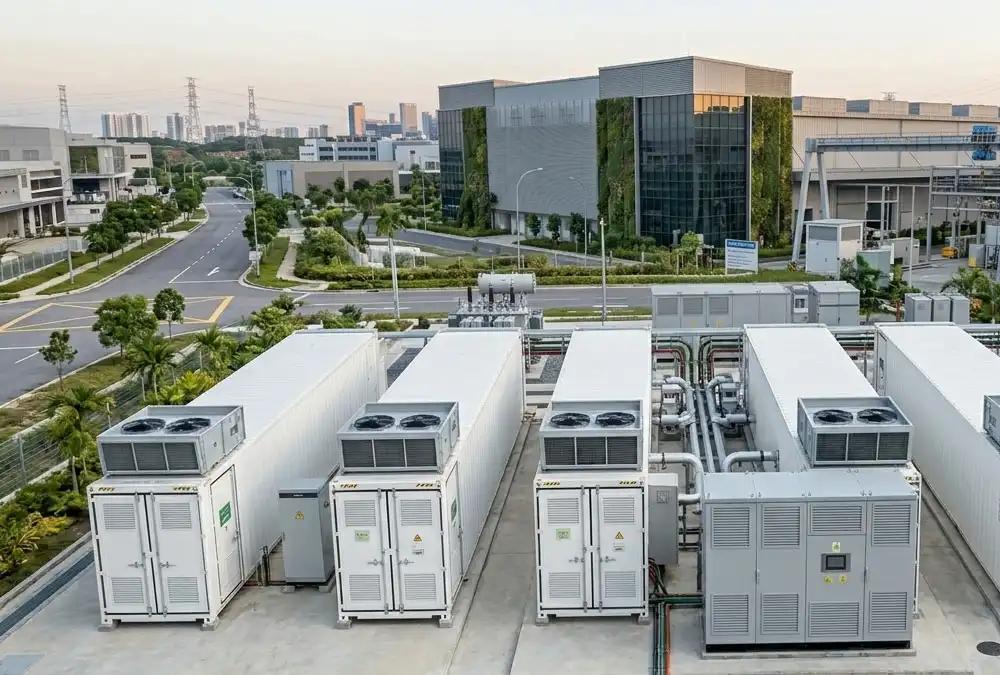
For large-scale manufacturing plants and distribution centers, we recommend a **Containerized All-in-One Liquid Cooled LFP BESS Asset**. This integrated system packages high-capacity LFP cells, automated fire suppression, and a bidirectional Power Conversion System (PCS) inside a durable outdoor container. Liquid cooling channels maintain optimal cell temperatures, protecting long-term battery health and investment value.
Alternative Energy Storage Architectures
Specific industrial applications with unique operational profiles may benefit from alternative storage technologies:
- Flow Batteries (Vanadium Redox): Store energy in liquid electrolyte tanks pumped through a central cell stack. They provide an almost unlimited cycle life without capacity loss, making them great for long-duration storage, though they require a larger physical footprint.
- Industrial Supercapacitors: Store energy electrostatically for rapid power discharge. They excel at managing brief power quality drops and stabilizing electrical grids, but lack the energy density needed for bulk storage over several hours.
Turnkey Solar Solutions Provider Selection Checklist (Featured Snippet Opportunity)
What Should You Look for in a Turnkey Solar Partner?
✔ Proven EPC Experience: A verifiable history of executing large commercial and utility installations.
✔ In-House Engineering: Dedicated technical teams directing electrical and structural designs internally.
✔ Tier-1 Sourcing: Direct procurement relationships with bankable component manufacturers.
✔ Transparent Pricing: Clear, fixed-price contracts with zero hidden change orders.
✔ Performance Guarantees: Contractual commitments ensuring the system achieves target energy yields.
✔ EU Compliance Expertise: Deep familiarity with regional building codes and utility grid regulations.
✔ Comprehensive O&M Services: Standard 24/7 remote monitoring and preventive maintenance support.
✔ Storage Integration History: Proven capability designing hybrid solar and battery installations.
Frequently Asked Questions About Turnkey Solar Solutions (PAA Optimization)
What is included in a turnkey solar solution?
A turnkey solar solution includes every phase of development: initial drone feasibility mapping, complete electrical engineering, tier-1 hardware procurement, physical civil construction, utility grid connection application management, system commissioning, and long-term remote monitoring support.
Is turnkey solar more expensive than traditional installation?
While upfront contracting quotes may include a risk-management premium, turnkey models eliminate the hidden expenses common to multi-contractor setups. Preventing unexpected change orders and project delays makes turnkey systems a highly cost-effective option over the long term.
Which option has a faster payback period?
Turnkey systems typically achieve faster payback metrics. Coordinated project delivery gets your clean energy asset online months earlier than traditional approaches. Generating power sooner helps accelerate utility billing offsets and improves overall return on investment.
Can turnkey solar projects include battery storage?
Yes, absolutely. Modern clean energy configurations frequently integrate high-capacity battery installations. Sourcing a hybrid system from a single turnkey provider ensures smooth integration between your solar array, storage cells, and facility switchgear.
What are the biggest risks of traditional solar installation?
The primary risks include miscommunications between separate designers and builders, resulting in costly change orders. The asset owner assumes full financial liability for any schedule delays. Fragmented warranty coverage can also make resolving equipment issues complicated.
Why do utility-scale projects prefer turnkey solutions?
Large-scale installations require strict risk management and clear construction timelines to secure financing. A turnkey contract transfers delivery liabilities to the provider. Fixed pricing and performance wraps make the asset highly attractive to institutional lenders.
How long does a turnkey solar project take?
Commercial rooftop installations generally require 3 to 6 months from initial site assessment to final grid connection. Industrial projects typically take 5 to 9 months, while large utility-scale solar farms require 10 to 18+ months to navigate permitting and substation construction.
Turnkey Solar Solutions or Traditional Solar Installation: Final Thoughts
When Traditional Installation May Be Appropriate
A multi-contractor approach can work well for smaller commercial installations with simple structural layouts. It suits businesses that maintain an experienced, in-house team of electrical engineers. Organizations with established procurement networks can use this model to manage individual hardware vendors independently.
When Turnkey Solar Solutions Are the Better Choice
A unified turnkey model is the best option for medium to large-scale industrial assets. It fits companies looking for clear cost predictability and reliable delivery schedules. This single-contract framework is ideal for complex hybrid systems with integrated battery storage. It provides excellent security for investors seeking reliable long-term financial returns.
Related Posts
 https://anengjibattery.com/wp-content/uploads/2026/09/Bulk-Lithium-Ion-Battery-Cells-Procurement-Guide-B2B-Sourcing.webp
675
1000
Battery Expert Team
https://anengjibattery.com/wp-content/uploads/2025/06/logo2-300x138.png
Battery Expert Team2026-09-14 09:47:322026-09-14 09:47:48Bulk Lithium-Ion Battery Cells Procurement Guide | B2B Sourcing
https://anengjibattery.com/wp-content/uploads/2026/09/Bulk-Lithium-Ion-Battery-Cells-Procurement-Guide-B2B-Sourcing.webp
675
1000
Battery Expert Team
https://anengjibattery.com/wp-content/uploads/2025/06/logo2-300x138.png
Battery Expert Team2026-09-14 09:47:322026-09-14 09:47:48Bulk Lithium-Ion Battery Cells Procurement Guide | B2B Sourcing https://anengjibattery.com/wp-content/uploads/2026/09/AnengjiBattery-Heavy-Duty-Electric-Cargo-Tricycle-Battery-Installation.webp
675
1000
Battery Expert Team
https://anengjibattery.com/wp-content/uploads/2025/06/logo2-300x138.png
Battery Expert Team2026-09-11 09:47:192026-09-11 09:47:29How Many Ah Does an Electric Tricycle Battery Need? A Complete Selection Guide
https://anengjibattery.com/wp-content/uploads/2026/09/AnengjiBattery-Heavy-Duty-Electric-Cargo-Tricycle-Battery-Installation.webp
675
1000
Battery Expert Team
https://anengjibattery.com/wp-content/uploads/2025/06/logo2-300x138.png
Battery Expert Team2026-09-11 09:47:192026-09-11 09:47:29How Many Ah Does an Electric Tricycle Battery Need? A Complete Selection Guide https://anengjibattery.com/wp-content/uploads/2026/09/anengjiBattery-Electric-Tricycle-Battery-Supplier-vs-Manufacturer-Key-Differences.webp
675
1000
Battery Expert Team
https://anengjibattery.com/wp-content/uploads/2025/06/logo2-300x138.png
Battery Expert Team2026-09-10 02:15:522026-09-10 02:16:09Electric Tricycle Battery Supplier vs Manufacturer: Key Differences
https://anengjibattery.com/wp-content/uploads/2026/09/anengjiBattery-Electric-Tricycle-Battery-Supplier-vs-Manufacturer-Key-Differences.webp
675
1000
Battery Expert Team
https://anengjibattery.com/wp-content/uploads/2025/06/logo2-300x138.png
Battery Expert Team2026-09-10 02:15:522026-09-10 02:16:09Electric Tricycle Battery Supplier vs Manufacturer: Key Differences https://anengjibattery.com/wp-content/uploads/2026/09/How-to-Choose-an-Electric-Tricycle-Battery-Manufacturer-Buyer-Guide.webp
675
1000
Battery Expert Team
https://anengjibattery.com/wp-content/uploads/2025/06/logo2-300x138.png
Battery Expert Team2026-09-08 09:28:302026-09-08 09:28:56How to Choose an Electric Tricycle Battery Manufacturer | Buyer’s Guide
https://anengjibattery.com/wp-content/uploads/2026/09/How-to-Choose-an-Electric-Tricycle-Battery-Manufacturer-Buyer-Guide.webp
675
1000
Battery Expert Team
https://anengjibattery.com/wp-content/uploads/2025/06/logo2-300x138.png
Battery Expert Team2026-09-08 09:28:302026-09-08 09:28:56How to Choose an Electric Tricycle Battery Manufacturer | Buyer’s Guide


Leave a Reply
Want to join the discussion?Feel free to contribute!