
What Is Industrial Solar Battery Storage? Factory Energy Guide
June 24, 2026 / Battery Expert Team / battery energy storage
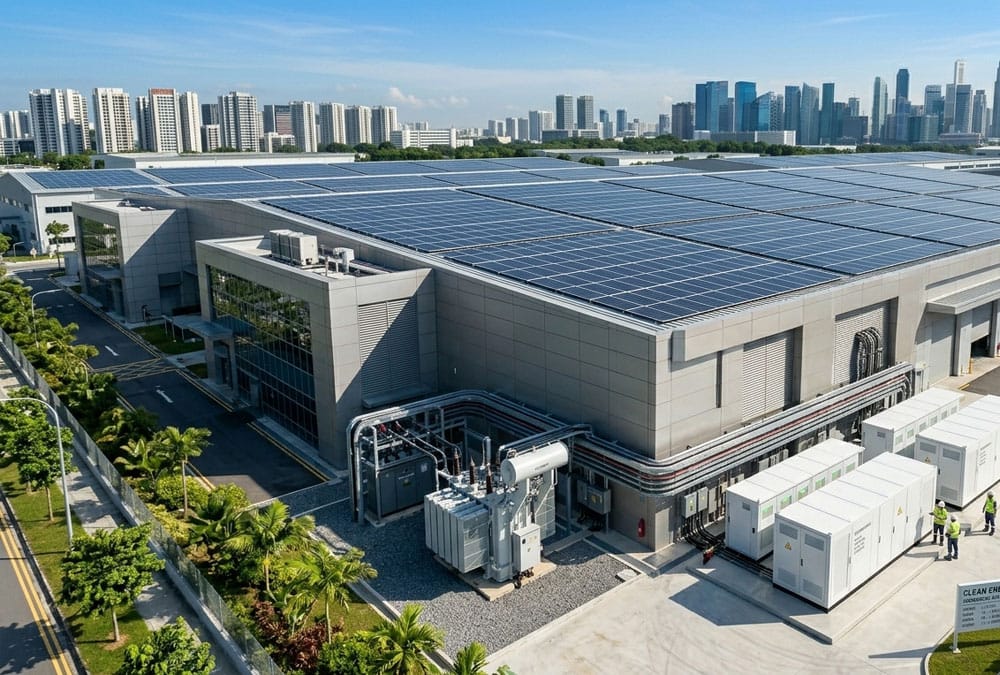
Introduction
Relying on an unstable utility grid is a dangerous game for modern production managers. Volatile energy markets and sudden peak demand spikes can quickly drain your facility’s operational budget. Deploying a rugged industrial solar battery storage architecture changes everything, turning your roof into a reliable power plant. It lets you capture cheap daytime power, drop demand penalties instantly, and secure your assembly lines. This engineering guide breaks down real hardware integration, financial return metrics, and essential fire safety protocols. Stop letting volatile utility rates dictate your overhead costs and take control of your energy future.
What Is Industrial Solar Battery Storage? (Featured Snippet)
Definition of Industrial Solar Battery Storage
Industrial Solar Battery Storage is a system that combines solar photovoltaic (PV) generation with battery energy storage technology. It allows factories and industrial facilities to store excess solar energy for later use, reducing electricity costs, improving energy reliability, and increasing energy independence.
How Industrial Solar Battery Storage Works
The system operates through a continuous, automated daily cycle. Photovoltaic arrays convert sunlight into DC electricity, which passes through inverters to power your heavy machinery. Any excess solar generation is diverted to on-site battery banks rather than wasted or exported cheaply. When the factory’s power demand spikes, an automated controller instantly draws power from the batteries to protect your bottom line.
Difference Between Industrial, Commercial, and Residential Solar Storage
Residential configurations prioritize basic backup power using simple single-phase systems under 20 kWh. Commercial layouts scale larger, focusing primarily on predictable lighting and HVAC needs for retail centers. True industrial solar battery storage systems operate at medium-voltage levels, handling massive inductive loads and sharp startup currents from heavy machinery.
Why Industrial Solar Battery Storage Is Growing Worldwide
- Rising Electricity Costs: Record utility rate hikes erode thin manufacturing profit margins.
- Grid Reliability Challenges: Aging regional grids suffer from frequent voltage sags and blackouts.
- Renewable Energy Adoption: High-efficiency solar arrays provide cheap, clean, localized power generation.
- Sustainability Targets: Strict global supply chains demand documented proof of carbon emission reductions.
Industrial Solar Battery Storage System Components
An industrial-grade battery energy storage system depends on the tight integration of several critical hardware subsystems.
Solar PV Modules
High-efficiency monocrystalline panels capture solar energy and serve as the primary charging source for your facility. These systems use durable mounting hardware to withstand harsh environmental conditions on factory roofs. Their layout is optimized to maximize power output during peak sunlight hours.
Battery Energy Storage System (BESS)
The BESS serves as the heavy-duty heart of your on-site energy infrastructure. It packages rugged electrochemical cells into secure, structurally reinforced enclosures that manage megawatt-level energy loads. This centralized asset provides the power storage necessary to balance daily production cycles.
Battery Management System (BMS)
The BMS functions as the primary safety guardian for your battery cells. It continuously monitors voltages, state of charge, and temperatures at the individual cell level. If an anomaly occurs, it instantly isolates the affected rack to protect your broader investment.
Power Conversion System (PCS)
The PCS acts as a heavy-duty bidirectional bridge between your battery arrays and the plant’s AC distribution grid. It converts incoming AC power to DC for efficient storage, and switches back to AC during discharge cycles. Modern PCS hardware uses fast-acting semiconductors to respond smoothly to abrupt factory load shifts.
Energy Management System (EMS)
The energy management system serves as the brain of your entire energy project. It runs automated algorithms that analyze utility tariffs, weather data, and historical factory consumption trends. By calculating optimal charging schedules, the EMS helps maximize your daily operational cost savings.
Monitoring and Control Platform
This localized software platform gives plant engineering teams complete, real-time visibility into system operations. It tracks performance metrics and displays clear diagnostic data via secure industrial communication links. This constant oversight allows engineers to catch maintenance issues before they cause downtime.
Grid Connection Infrastructure
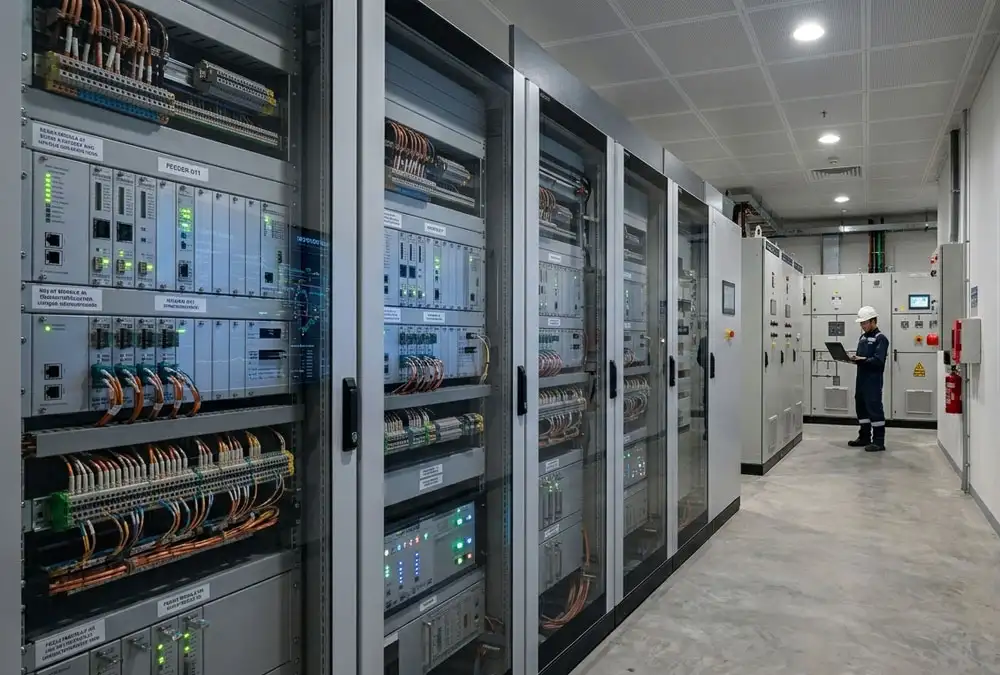
Dedicated medium-voltage switchgear, safety breakers, and step-up transformers ensure safe integration with the local utility network. This heavy-duty hardware manages bidirectional power flows while protecting your equipment from external grid disturbances. It guarantees complete compliance with strict local utility interconnection standards.
How Solar Plus Storage Works in Industrial Facilities
Deploying a unified solar plus storage strategy lets you actively manage your power infrastructure behind the meter.
Solar Energy Generation Process
Roof-mounted solar arrays generate clean DC electricity whenever sunlight hits the panels. This power flows directly to high-capacity industrial inverters, which convert it into stable AC electricity. This clean energy immediately feeds into the factory’s main switchboard to support active assembly lines.
Battery Charging During Peak Solar Production
Midday production often drops during shift changes while solar output reaches its highest point. Rather than wasting this excess clean energy, the smart EMS automatically redirects it to your battery banks. This internal loop ensures no cheap solar generation is lost or exported at low feed-in rates.
Energy Discharge During Peak Demand
When heavy production lines spin up, factory electricity consumption spikes rapidly. The system detects this sudden surge and instantly shifts the battery banks into discharge mode. This localized injection of stored power caps your consumption, keeping your grid demand below expensive tariff thresholds.
EMS-Based Energy Optimization
The system’s control software continuously updates its operation based on real-time facility performance. It dynamically shifts between solar consumption, battery storage, and grid power to secure the lowest possible operating costs. This automated balancing act runs quietly in the background without interrupting production workflows.
Grid Interaction and Export Control
Smart anti-islanding breakers and directional power meters monitor your primary utility connection point constantly. The system controls power export levels automatically, preventing unauthorized backfeeding into the utility grid. This careful management ensures your facility remains compliant with local electrical codes.
Typical Industrial Solar + Battery Workflow
During the morning, solar generation directly supports active manufacturing processes. By afternoon, excess clean power fills the battery banks to maximum capacity. When evening production begins and utility rates climb, the batteries discharge to carry the plant through expensive peak hours.
Why Invest in Industrial Solar Battery Storage?
Deploying industrial solar battery storage systems provides a powerful tool for optimizing your facility’s long-term energy costs.
Lower Electricity Costs
The system delivers immediate financial relief by significantly reducing your reliance on expensive grid power. It allows you to run high-volume manufacturing lines using cheap, self-generated solar energy instead of costly utility electricity. This simple operational shift drops your monthly overhead expenses predictably.
Reduce Demand Charges
Utilities levy steep monthly demand fees based on your factory’s single highest 15-minute consumption spike. Discharging your batteries during these surges flattens your load profile and lowers your capacity charges. This automated peak mitigation strategy protects your budget from expensive operational penalties.
Increase Solar Self-Consumption
Standard solar arrays without storage often waste clean energy because generation times rarely match peak production shifts. Adding industrial-grade batteries lets you store every kilowatt of solar power for later use. This configuration maximizes the value of your infrastructure and ensures no clean energy goes to waste.
Improve Energy Security
A dedicated industrial backup power system keeps your critical processes running smoothly through unexpected utility blackouts. The system responds to grid failures in milliseconds, preventing machinery damage and expensive material waste. This reliability safeguards your production schedules and protects client delivery timelines.
Reduce Dependence on Utility Providers
On-site storage insulates your business from volatile power markets and localized grid capacity constraints. It gives your management team the freedom to scale production based on business needs rather than utility limits. This independence provides a strong competitive advantage in power-intensive industries.
Achieve Sustainability and ESG Goals
Installing an on-site solar and battery system helps your business meet strict global carbon reduction mandates. It provides documented proof of sustainable operations, helping you secure high-value contracts with carbon-conscious corporate clients. This proactive environmental step strengthens your brand’s market position.
Protect Against Future Energy Price Increases
Locking in your energy costs with independent solar generation insulates your business from future utility rate hikes. It transforms an unpredictable variable expense into a stable, well-understood operational asset. This long-term predictability simplifies financial planning and budget forecasting for your company.
Key Benefits of Industrial Solar Battery Storage
Investing in industrial solar energy storage solutions delivers tangible operational advantages directly to your factory floor.
Peak Shaving and Load Shifting
The system works as an automated peak shaving solution, capping sudden consumption spikes before they trigger utility penalties. It also shifts bulk power use away from high-tariff afternoon windows to low-cost night periods. This dual management approach optimizes your daily electrical expenses.
Energy Arbitrage Opportunities
When solar generation is low, the smart EMS can charge your batteries using cheap off-peak grid electricity. The system then discharges this low-cost power during expensive peak tariff windows. This simple strategy capitalizes on intraday price differences to deliver ongoing operational savings.
Backup Power During Grid Outages
If the primary grid goes down, the system instantly isolates your facility to form an independent power network. This rapid transition keeps critical machinery, automated cooling lines, and security systems operating smoothly. It eliminates the heavy financial losses associated with unexpected production stops.
Improved Power Quality
Heavy electric motors and inductive welding equipment often introduce harmful harmonic distortions into plant circuits. High-performance battery inverters actively filter out these electrical anomalies in real time. This clean power output protects sensitive automated tools and extends machinery lifespans.
Enhanced Operational Continuity
Eliminating brief voltage sags prevents automated assembly robots from suffering sudden control resets. The system maintains stable voltage levels across your entire electrical framework, ensuring consistent production quality. This reliability keeps your manufacturing lines running at maximum capacity.
Lower Carbon Emissions
Displacing fossil-fuel grid electricity with clean, stored solar energy reduces your factory’s environmental footprint. This direct carbon reduction helps your facility comply with tightening national environmental regulations. It demonstrates a genuine corporate commitment to sustainable manufacturing practices.
Better Return on Solar Investments
Adding high-density batteries eliminates solar curtailment during weekends or low-production holidays. Instead of losing this valuable generation, you store it to support heavy Monday morning manufacturing lines. This capability significantly improves the long-term return on your solar assets.
Industrial Solar Battery Storage Applications
Deploying commercial and industrial energy storage architecture requires adjusting system parameters to match specific industry workflows.
Manufacturing Facilities
Automated production lines run on tight schedules where even brief power disruptions can cause major financial losses. On-site solar storage provides the reliable, high-capacity power needed to keep assembly lines moving smoothly. It protects heavy equipment while reducing monthly electricity expenses.
Industrial Parks
Centralized industrial parks often face severe grid capacity limits when multiple facilities operate at full capacity. A shared battery storage system helps balance peak demand across the entire park infrastructure. This management avoids expensive grid upgrade costs and ensures reliable operations for all tenants.
Warehouses and Logistics Centers
Modern distribution hubs feature expansive roof spaces that are ideal for high-capacity solar installations. Integrating a factory energy storage system allows these facilities to power large electric forklift fleets using clean energy. This setup supports high-volume shipping operations without straining local utility lines.
Food Processing Plants
Continuous thermal management and refrigeration are critical for maintaining strict product safety standards. Integrated solar storage assets provide dependable backup power to eliminate the risk of inventory spoilage during blackouts. This protection secures your product quality and supports regulatory compliance.
Automotive Production Facilities
Heavy robotic welding lines create rapid, intense power spikes that put significant stress on plant substations. High-power battery cabinets absorb these sharp surges locally, protecting sensitive electronic controls across the facility. This stabilization keeps complex automated assembly lines running reliably.
Data Centers
Data centers require absolute power reliability to ensure continuous uptime and prevent critical data loss. Dedicated solar and battery infrastructure works alongside traditional backup generators to provide multi-layered power security. This redundant protection keeps essential digital systems online through any outage.
Mining and Heavy Industries
Remote mining sites often rely on expensive, carbon-heavy diesel generators for their primary power needs. Integrating a rugged solar and battery microgrid significantly reduces fuel transport costs and lowers operational emissions. This hybrid setup provides a stable, independent power source for heavy equipment.
Commercial Buildings with High Energy Consumption
Large corporate offices and cold storage centers face high cooling expenses during hot summer afternoons. Deploying a commercial solar storage system helps offset these heavy HVAC loads using clean, stored energy. This targeted deployment drops utility expenses during peak pricing windows.
Solar Plus Storage vs Solar-Only Systems
Choosing between a standard solar installation and an integrated storage system requires evaluating long-term operational impacts.
Energy Utilization Comparison
Standard solar-only configurations can only provide power while the sun is actively shining on the panels. Any clean energy generated during low-production periods is often exported cheaply or lost entirely. An integrated solar storage system captures every kilowatt-hour, keeping that power on site for when you need it most.
Cost Savings Comparison
Solar-only systems help lower your baseline consumption charges but do little to mitigate expensive peak demand penalties. Integrated battery systems allow you to target those costly peak consumption windows directly. This capability delivers significantly larger monthly savings for power-intensive facilities.
Grid Independence Comparison
A factory with a solar-only system remains completely vulnerable to local utility blackouts and voltage fluctuations. Adding an intelligent battery storage unit allows your facility to separate from the grid and run independently when needed. This protection keeps your assembly lines moving through external grid failures.
Backup Power Capability
When the local grid fails, standard solar inverters shut down automatically to prevent hazardous backfeeding. An integrated battery system uses smart isolating switches to keep your solar panels operating safely during an outage. This configuration ensures your facility maintains access to clean power through extended blackouts.
Long-Term ROI Comparison
While solar-only systems require a smaller upfront investment, they deliver lower overall financial returns over time. Integrated storage systems unlock multiple savings streams, including peak shaving and demand charge reductions. These combined benefits result in higher long-term financial returns for your business.
Which System Is Better for Industrial Facilities?
For modern manufacturing facilities facing complex tariff structures, an integrated solar plus storage system is the superior choice. It provides the flexibility and reliability required to manage heavy industrial loads effectively. The multi-layered savings streams deliver a far more resilient energy solution.
How to Size an Industrial Solar Battery Storage System
Properly sizing your installation is essential for securing a strong return on investment for your solar battery for manufacturing facilities.
Assessing Factory Energy Consumption
Sizing begins with an in-depth analysis of your facility’s historical 15-minute interval data from utility meters. This information maps your plant’s exact electricity use across different shifts and production cycles. Understanding these consumption patterns ensures your system is scaled to meet real operational needs.
Understanding Load Profiles
Engineering teams analyze your load profile to identify the timing, duration, and frequency of your highest consumption periods. This data helps determine the exact battery capacity required to achieve meaningful demand charge reductions. Accurate sizing ensures your system can handle heavy machinery startup surges.
Peak Demand Analysis
We evaluate your largest power surges to calculate the minimum inverter power rating needed for your facility. This ensures the system can deliver enough instantaneous power to cap surges effectively. Proper scaling protects your electrical infrastructure without over-engineering the project.
Determining Battery Storage Duration
Storage duration defines how many hours your battery banks can sustain their maximum power output. Short peak shaving needs typically require a 2-hour system, while extended load shifting needs favor a 4-hour setup. Matching this duration to your tariff structure maximizes your monthly savings.
Matching Solar Capacity with Battery Capacity
Your battery capacity must scale logically with the total output of your rooftop solar array. This balance ensures your battery banks can capture all excess midday power without filling up too early. Proper coordination prevents clean energy waste and optimizes project economics.
Recommended Solar-to-Battery Ratios
| Solar PV Capacity (kW) | Recommended Battery Storage Capacity (kWh) |
|---|---|
| 500 kW Array | 500 kWh – 1,000 kWh (1 MWh) Storage Capacity |
| 1,000 kW (1 MW) Array | 1,000 kWh – 2,000 kWh (2 MWh) Storage Capacity |
| 2,000 kW (2 MW) Array | 2,000 kWh – 4,000 kWh (4 MWh) Storage Capacity |
| 5,000 kW (5 MW) Array | 5,000 kWh – 10,000 kWh (10 MWh) Storage Capacity |
Industrial Solar Battery Storage Technologies
Deploying specialized industrial lithium battery storage requires selecting the right core chemistry for your facility’s operational needs.
Lithium Iron Phosphate (LiFePO4) Batteries
LiFePO4 Technology Explained: Lithium Iron Phosphate represents the current industry standard for heavy-duty manufacturing storage projects. This chemistry replaces volatile cobalt with stable iron phosphate molecules, eliminating the risk of thermal runaway. They handle high ambient temperatures well and deliver over 6,000 cycles at 90% Depth of Discharge, providing a safe, reliable lifespan.
Lithium-Ion Batteries
Standard Lithium-Ion Explained: Traditional lithium chemistries like NMC offer exceptional energy density in a highly compact physical footprint. While effective for space-constrained sites, they require highly sophisticated cooling systems to manage internal cell heat safely. Their shorter cycle life makes them less common for heavy industrial peak shaving applications.
Flow Batteries
Flow Battery Technology Explained: Flow configurations store their active electrochemical energy inside large external liquid electrolyte tanks rather than packed solid cells. This unique design allows you to expand storage duration simply by installing larger liquid tanks. While they offer excellent long-term durability, their lower round-trip efficiency makes them less suited for rapid peak shaving.
Sodium-Ion Batteries
Sodium-Ion Technology Explained: Sodium-ion is an emerging technology that replaces lithium with abundant, low-cost sodium raw materials. These systems perform exceptionally well in extreme cold and offer excellent safety characteristics at a lower hardware price point. However, their lower energy density means they require a larger physical space on site.
Emerging Battery Technologies
Solid-state designs and advanced zinc-based batteries continue to make progress toward commercial production scales. These developing technologies aim to deliver higher energy densities and improved safety characteristics for future industrial installations. Monitoring these trends helps inform your long-term infrastructure strategy.
Which Battery Technology Is Best for Industrial Solar Storage?
For the vast majority of industrial manufacturing facilities, Lithium Iron Phosphate (LiFePO4) is the ideal choice. It offers the best combination of high round-trip efficiency, proven field safety, long cycle life, and commercial availability. This proven chemistry provides a stable foundation for power-intensive operations.
Industrial Solar Battery Storage Safety and Reliability
Ensuring absolute site safety requires implementing multi-layered engineering controls and verified hardware configurations.
Battery Thermal Management Systems
Industrial battery packs generate significant internal heat during rapid charge and high-power discharge cycles. Dedicated thermal management systems maintain stable internal temperatures to prevent premature capacity loss and safety hazards. Consistent climate control ensures your energy asset operates reliably under heavy loads.
Air Cooling vs Liquid Cooling
Air cooling uses high-capacity fans and industrial HVAC units to circulate conditioned air through the battery cabinet. Liquid cooling pumps specialized fluid through integrated plates to manage cell temperatures directly. Liquid systems provide more precise, uniform cooling across large battery arrays, which significantly extends cell life.
Fire Detection and Suppression Systems
Modern enclosures feature multi-layered fire protection that begins with highly sensitive off-gas sensors. These sensors spot trace chemical emissions at the earliest signs of cell stress, long before heat develops. If anomalies occur, the system automatically deploys clean chemical suppression agents to protect the facility.
Battery Safety Standards and Certifications
Never purchase industrial equipment that lacks verified compliance with international safety standards. Key certifications include:
- UL9540: Validates the safety of the complete, integrated energy storage installation.
- UL9540A: Evaluates thermal runaway fire progression through rigorous physical testing.
- IEC62619: Governs safety requirements for lithium battery packs in industrial applications.
- CE Certification: Confirms compliance with essential European safety and environmental codes.
Best Practices for Safe Operation
Maintain clear clearance zones around all outdoor enclosures and schedule regular thermal scans of main electrical connections. Ensure your plant engineering team receives complete training on emergency isolation procedures and SCADA alert workflows. Routine maintenance checks help guarantee safe, reliable performance over the system’s lifespan.
Industrial Solar Battery Storage Costs
Main Cost Components
An industrial installation budget splits across several primary infrastructure categories:
- Solar PV System: Includes high-efficiency panels, heavy-duty racking, and commercial grid inverters.
- Battery Storage System: Covers the structural enclosures, battery cells, and integrated BMS modules.
- PCS and EMS: Includes bidirectional power electronics and smart control software licenses.
- EPC and Installation: Covers civil works, site trenching, engineering design, and final utility approvals.
Factors Affecting Project Costs
Your total upfront budget depends heavily on physical site conditions and the length of necessary conduit runs. Upgrading older factory switchboards to handle bidirectional power flows can also add to initial preparation expenses. Sourcing pre-tested, containerized hardware helps keep these deployment costs predictable.
Typical Industrial Solar Storage Cost Ranges
According to comprehensive industrial data from the first half of 2026, turnkey project costs range from $350 to $500 per kilowatt-hour of installed capacity. Hardware costs continue to stabilize as automated cell manufacturing scales globally. This pricing framework makes on-site storage an increasingly accessible option for heavy industry.
Hidden Costs to Consider
Budget for ongoing utility interconnection application fees and localized structural engineering reviews during early planning stages. Account for routine air filter replacements and periodic coolant top-offs within your long-term maintenance forecasts. Factoring in these small expenses avoids unexpected surprises down the road.
ROI and Payback Period for Industrial Solar Battery Storage
How Industrial Solar Storage Generates ROI
Financial returns develop through several distinct operational savings streams. The system drops peak demand charges, minimizes baseline energy consumption costs, and eliminates clean energy waste during low-production periods. These combined benefits deliver consistent monthly savings directly to your bottom line.
Revenue Streams and Cost Savings
Depending on regional grid rules, factories can participate in lucrative demand response and frequency regulation programs. Providing fast power support to the local utility generates steady revenue alongside your daily energy savings. This dual-use capability accelerates your project’s financial return.
Demand Charge Reduction Benefits
Lowering your fixed capacity penalties provides immediate financial relief, especially in regions with steep utility demand charges. Automated battery dispatch caps your highest consumption surges, keeping your monthly billing profile smooth and predictable. This protection results in significant, ongoing utility bill reductions.
Solar Self-Consumption Benefits
Running night production shifts using cheap solar energy stored during the day maximizes the value of your infrastructure. This internal cycle keeps your facility insulated from expensive time-of-use tariff increases. It ensures you extract maximum financial utility from every square meter of your solar roof.
Example ROI Calculation
Consider a manufacturing facility installing a 1 MW solar array paired with a 1 MW / 2 MWh battery system. The total turnkey capital cost after local tax incentives comes to $820,000. Combined annual demand charge mitigation and solar consumption savings deliver $145,000 in direct utility bill reductions. This performance results in a simple payback period of 5.65 years.
Typical Payback Periods by Region
Facilities located in areas with high peak energy costs often see full project payback within 4 to 6 years. Regions with lower baseline utility rates or simpler tariff structures may see longer timelines of 7 to 9 years. Utilizing available clean energy grants and accelerated depreciation benefits helps shorten these timelines.
How EMS Improves Financial Performance
The system’s control software updates its dispatch logic continuously to match changing utility pricing structures. It tracks spot market variations in real time, shifting charging cycles to the lowest-cost windows automatically. This active optimization improves your project’s financial returns compared to fixed-schedule systems.
Industrial Solar Battery Storage and Renewable Energy Integration
Deploying specialized renewable energy storage hardware allows your factory to build a flexible, future-proof electrical framework.
Solar + Battery Storage
This classic combination pairs roof-mounted solar arrays with intelligent battery storage banks behind the meter. The battery captures excess daytime clean generation, saving it to support heavy production lines during expensive peak tariff windows. This setup forms the foundation of modern factory energy management.
Wind + Battery Storage
For industrial sites with on-site wind generation, batteries provide the fast response needed to smooth out unpredictable wind shifts. It captures heavy wind output generated during low-demand night hours, saving it for daytime assembly processes. This integration transforms variable wind output into a reliable operational asset.
Hybrid Renewable Energy Systems
Hybrid setups coordinate multiple energy sources, including solar panels, wind turbines, and emergency diesel backup systems. The central battery bank acts as a shared buffer, balancing power inputs to ensure a stable electrical supply. This multi-source configuration delivers maximum resilience for remote industrial operations.
Industrial Microgrids
A true microgrid energy storage architecture allows your facility to separate from the main utility grid during extended blackouts. It coordinates your localized generation assets to keep critical production systems running indefinitely. This advanced capability provides complete energy independence for high-security industrial plants.
Future Smart Energy Networks
Next-generation factory infrastructure uses open communication links to participate directly in regional virtual power plants. Automated control systems allow clusters of independent facilities to trade excess stored energy dynamically. This connected approach helps stabilize regional utility networks while generating new revenue streams.
How to Choose the Right Industrial Solar Battery Storage Solution
Define Your Energy Goals
Determine whether your primary operational focus is securing reliable backup power or lowering monthly demand charges. Clarifying these priorities guides early engineering choices and avoids paying for unnecessary hardware features. A well-defined goal ensures your system is optimized for your specific business needs.
Evaluate Technical Requirements
Verify your facility’s exact physical space constraints and current substation switchgear capacities before selecting equipment. Ensure your building structure can safely support high-capacity rooftop solar arrays over a multi-decade lifespan. Confirming these details early prevents unexpected modifications during installation.
Assess Supplier Expertise
Partner with experienced manufacturers that demonstrate a deep understanding of complex medium-voltage industrial electrical systems. They should possess a verified track record of managing difficult inductive loads and automated grid integration. This expertise ensures your system operates reliably under real factory conditions.
Recommended Industrial Product Selection: For high-volume manufacturing environments, we highly recommend utilizing the AnengJi Energy 215kWh Liquid-Cooled Industrial Outdoor Battery Cabinet or their larger 1MWh–5MWh Containerized BESS Platforms. These heavy-duty systems use premium Tier-1 LFP chemistry and integrated liquid thermal management. They are explicitly certified under UL9540 standards to deliver reliable peak shaving performance for factories.
Compare Standard and Customized Solutions
Standardized equipment configurations offer lower upfront costs and faster delivery timelines for standard factory applications. However, facilities with unique electrical setups or severe space constraints may require a custom-engineered solution. Balancing these options helps match your specific operational needs.
Review Safety Certifications
Verify that all equipment carries authentic, third-party safety certifications from recognized international testing laboratories. Avoid vendors that offer vague assurances instead of official certification documents. Proper safety compliance protects your personnel and your manufacturing infrastructure.
Consider Warranty and After-Sales Support
A comprehensive performance warranty should guarantee cell capacity retention over a 10-year period. Your supplier must maintain local service teams capable of providing rapid on-site technical support when needed. Reliable long-term support is essential for maintaining optimal system performance.
Evaluate EMS and Monitoring Capabilities
Ensure the supplier’s control software integrates smoothly with your factory’s existing energy monitoring and SCADA platforms. Open communication interfaces allow your engineering team to manage system performance efficiently. This connectivity supports smart energy tracking across your entire facility.
Why More Factories Are Investing in Industrial Solar Battery Storage
Rising Global Energy Costs
Geopolitical volatility and shifting carbon polices continue to drive traditional grid electricity prices higher worldwide. Manufacturing facilities cannot protect their profit margins while remaining exposed to volatile utility spot markets. On-site storage provides a reliable shield against rising operational costs.
Decarbonization Targets
International corporate brands now require their manufacturing partners to show clear, documented progress toward net-zero emissions. Installing a local solar and battery system provides a visible, verifiable way to lower your carbon footprint. This proactive step helps secure your position in premium global supply chains.
Energy Independence Trends
Modern smart factories are moving away from total reliance on centralized public utility grids. Managing your energy generation and storage locally protects your operations from regional infrastructure failures. This autonomy ensures your production lines keep moving regardless of external grid conditions.
Government Incentives and Policy Support
Clean energy tax credits, accelerated asset depreciation rules, and direct regional grants significantly lower your upfront capital requirements. These supportive policies improve project economics and shorten your financial payback period. Leveraging these programs makes infrastructure upgrades highly viable for modern businesses.
The Future of Smart Manufacturing
Next-generation automation requires a highly stable, completely predictable electrical foundation to run complex machinery reliably. Integrated solar storage assets provide the exact power quality and resilience needed for high-tech production. This infrastructure is a foundational requirement for modern smart factory development.
Frequently Asked Questions About Industrial Solar Battery Storage
What is Industrial Solar Battery Storage?
It is an integrated energy system that pairs roof-mounted solar generation with high-capacity battery storage banks behind the meter. The system captures excess daytime solar power, saving it to run factory operations during expensive peak tariff hours.
How much does an industrial solar battery storage system cost?
Turnkey project costs generally range from $350 to $500 per kilowatt-hour of installed capacity, depending on site layout. This estimate covers the solar panels, battery enclosures, power conversion systems, civil works, and final utility commissioning.
How long do industrial batteries last?
Premium Lithium Iron Phosphate (LiFePO4) systems managed by active liquid cooling deliver an operational lifespan of 12 to 15 years. This longevity assumes the system operates under standard factory parameters and recommended depth-of-discharge limits.
How much battery capacity does my factory need?
Your ideal capacity depends on your unique historical load profile and the size of your largest monthly peak demand spikes. An experienced application engineer can analyze your utility data to recommend the optimal configuration for your site.
Can solar battery storage eliminate electricity bills?
While the system significantly reduces your consumption and demand charges, most factories remain tied to the grid for baseline power. It slashes your monthly utility expenses dramatically but rarely eliminates fixed connection fees entirely.
How long is the payback period?
Most commercial installations achieve full payback within 4 to 7 years. Timelines can vary based on local electricity rates, available clean energy tax incentives, and your facility’s specific peak consumption patterns.
Can battery storage provide backup power during outages?
Yes. The system uses high-speed isolating breakers to separate your facility from the failed grid, forming an independent microgrid. This transition occurs in milliseconds, keeping your critical manufacturing lines running smoothly.
Is lithium iron phosphate the best battery for industrial use?
Yes. LiFePO4 chemistry provides exceptional thermal stability, eliminating the fire risks associated with traditional cobalt-based lithium batteries. Its long cycle life and high efficiency make it the ideal standard for heavy industrial use.
Conclusion: Is Industrial Solar Battery Storage Right for Your Business?
Key Takeaways
- Industrial Solar Battery Storage improves energy efficiency and resilience.
- It maximizes solar energy utilization and reduces electricity costs.
- Proper system sizing and EMS integration are critical for ROI.
- Modern LiFePO4 battery systems offer high safety, long lifespan, and strong financial returns.
- Industrial solar storage is becoming a key component of smart, sustainable manufacturing.
Aligning your production framework with smart storage technology is a proven way to insulate your business from rising energy costs. For most power-intensive manufacturing facilities, an integrated solar and battery system provides a reliable path to lower utility bills and improved operational resilience. To see how a customized energy installation can optimize your facility’s operational budget, reach out to our engineering team today.
Related Posts
 https://anengjibattery.com/wp-content/uploads/2026/10/AnengjiBattery-Lithium-Battery-Management-in-Daily-Operation.webp
675
1000
Battery Expert Team
https://anengjibattery.com/wp-content/uploads/2025/06/logo2-300x138.png
Battery Expert Team2026-10-22 08:17:332026-10-22 08:17:44How Does a Lithium BMS Improve Battery Longevity?
https://anengjibattery.com/wp-content/uploads/2026/10/AnengjiBattery-Lithium-Battery-Management-in-Daily-Operation.webp
675
1000
Battery Expert Team
https://anengjibattery.com/wp-content/uploads/2025/06/logo2-300x138.png
Battery Expert Team2026-10-22 08:17:332026-10-22 08:17:44How Does a Lithium BMS Improve Battery Longevity? https://anengjibattery.com/wp-content/uploads/2026/10/AnengjiBattery-Industrial-Power-Under-Real-Load.webp
675
1000
Battery Expert Team
https://anengjibattery.com/wp-content/uploads/2025/06/logo2-300x138.png
Battery Expert Team2026-10-22 07:04:542026-10-22 07:05:30How Does a 48V LiFePO4 BMS Protect Industrial Power?
https://anengjibattery.com/wp-content/uploads/2026/10/AnengjiBattery-Industrial-Power-Under-Real-Load.webp
675
1000
Battery Expert Team
https://anengjibattery.com/wp-content/uploads/2025/06/logo2-300x138.png
Battery Expert Team2026-10-22 07:04:542026-10-22 07:05:30How Does a 48V LiFePO4 BMS Protect Industrial Power? https://anengjibattery.com/wp-content/uploads/2026/10/AnengJIBattery-Electric-Forklift-Battery-Buying-Decision.webp
675
1000
Battery Expert Team
https://anengjibattery.com/wp-content/uploads/2025/06/logo2-300x138.png
Battery Expert Team2026-10-21 06:22:222026-10-21 06:22:38Ready to Buy Battery for Electric Forklift? Use This Guide
https://anengjibattery.com/wp-content/uploads/2026/10/AnengJIBattery-Electric-Forklift-Battery-Buying-Decision.webp
675
1000
Battery Expert Team
https://anengjibattery.com/wp-content/uploads/2025/06/logo2-300x138.png
Battery Expert Team2026-10-21 06:22:222026-10-21 06:22:38Ready to Buy Battery for Electric Forklift? Use This Guide https://anengjibattery.com/wp-content/uploads/2026/10/AnengJIBattery-Diagnosing-Electric-Forklift-Runtime-Loss.webp
675
1000
Battery Expert Team
https://anengjibattery.com/wp-content/uploads/2025/06/logo2-300x138.png
Battery Expert Team2026-10-20 07:16:552026-10-20 09:59:05Electric Forklift Battery Life: How Can You Extend It?
https://anengjibattery.com/wp-content/uploads/2026/10/AnengJIBattery-Diagnosing-Electric-Forklift-Runtime-Loss.webp
675
1000
Battery Expert Team
https://anengjibattery.com/wp-content/uploads/2025/06/logo2-300x138.png
Battery Expert Team2026-10-20 07:16:552026-10-20 09:59:05Electric Forklift Battery Life: How Can You Extend It?


Leave a Reply
Want to join the discussion?Feel free to contribute!