
Electric Tricycle Battery Supplier vs Manufacturer: Key Differences
September 10, 2026 / Battery Expert Team / Battery Basics
Introduction
Not every company selling power solutions on the international market is an actual battery manufacturer. Some firms handle custom engineering, pack assembly, and cell sorting in-house, while others outsource production or act as pure distributors. When sourcing an electric tricycle battery for commercial passenger fleets, delivery rickshaws, or heavy-duty cargo haulers, telling the difference between a trading intermediary and a genuine factory isn’t just a matter of price—it directly impacts product safety, warranty support, and long-term supply stability. Working with qualified electric tricycle battery manufacturers ensures direct control over cell matching, BMS engineering, and full batch traceability.
This technical comparison guide breaks down the operational, technical, and commercial differences between a vendor and a direct producer, providing a practical evaluation framework for your next bulk procurement project.
Electric Tricycle Battery Supplier vs Manufacturer: Quick Comparison
Before diving into workshop audits and circuit designs, let’s look at the operational contrast between a direct manufacturing plant and a third-party distributor.
What Is an Electric Tricycle Battery Manufacturer?
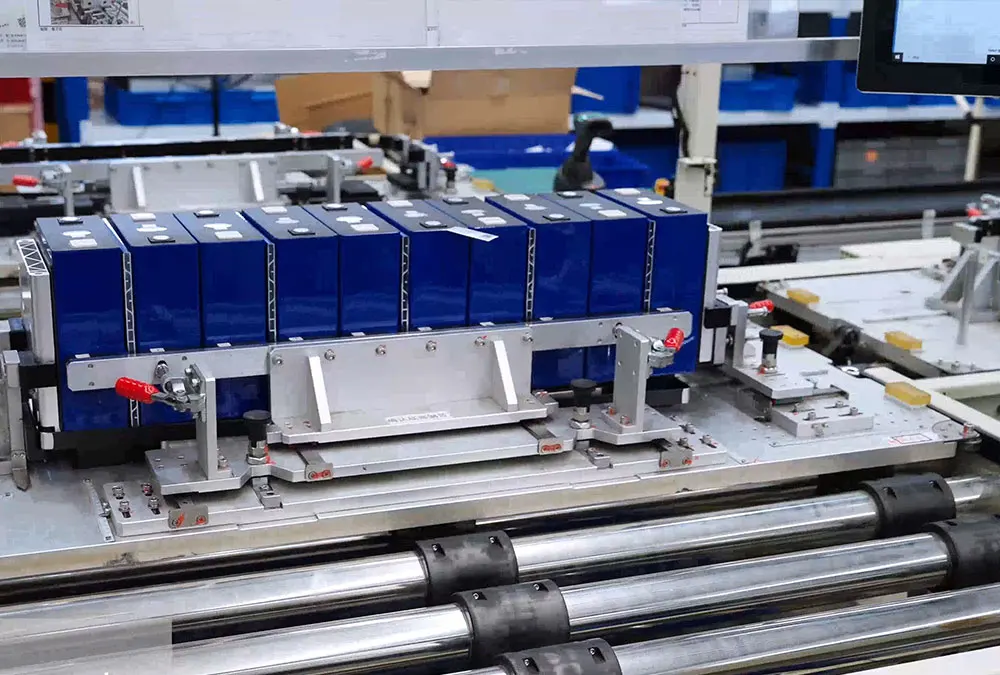
A true electric tricycle battery manufacturer owns physical production facilities, cell sorting gear, automated laser welding equipment, aging test cabinets, and an in-house R&D engineering staff. They control raw material sourcing, program custom battery management systems (BMS), assemble packs from bare cells, and execute full-cycle safety testing under ISO-certified quality management protocols.
What Is an Electric Tricycle Battery Supplier?
An electric tricycle battery supplier (or trading company) purchases finished or semi-finished battery packs from third-party factories and resells them to international buyers. While a well-connected electric tricycle battery supplier China can offer flexible consolidation, fast shipping for off-the-shelf items, and low initial MOQs, they lack direct control over cell grading, firmware tweaks, or factory-floor quality assurance.
Manufacturer vs Supplier Capability Matrix
| Technical & Operational Capability | Direct Battery Manufacturer | Trading Supplier / Intermediary | Buyer Impact & Strategic Benefit |
|---|---|---|---|
| Custom Battery Pack Design | In-house CAD, mechanical, and thermal design. | Outsourced to sub-tier factories. | Direct manufacturers accommodate tight vehicle bay dimensions and custom bracket layouts without third-party delay. |
| Battery Cell Quality & Sorting | Automated internal resistance, capacity, and voltage matching. | Dependent on upstream vendor claims. | In-house cell sorting stops premature pack capacity loss and extends operational lifespan by up to 40%. |
| Custom BMS Programming | In-house firmware engineering (CANbus, RS485, SOC curves). | Fixed off-the-shelf protection boards. | Tailored protection thresholds prevent false thermal cutoffs during heavy uphill cargo acceleration. |
| Welding & Assembly Process | Automated CNC laser welding and automated busbars. | Variable (manual spot welding to outsourced lines). | Laser-welded copper joints reduce internal resistance and withstand intense road vibration on unpaved roads. |
| Quality Control & Traceability | 100% full-cycle aging tests with laser-etched serial tracking. | Batch-sampling or passive supplier reports. | Single-cell data logging simplifies field troubleshooting and speeds up warranty replacement decisions. |
| OEM/ODM Customization | Full engineering flexibility from tooling to custom packaging. | Limited to basic logo printing and outer box changes. | Enables vehicle builders to create proprietary power systems that competitors cannot easily copy. |
Why Does the Difference Matter When Buying Electric Tricycle Batteries?
A low unit quotation looks great on a spreadsheet, but real total cost includes warranty claims, field downtime, freight delays, and safety risks. When dealing with commercial vehicles carrying heavy loads daily, small component shortcuts quickly cause major operational headaches.
Who Controls the Battery Design?
When a vehicle manufacturer modifies their chassis frame or switches motor controllers, the battery pack dimensions, wiring harness, and peak discharge currents must adapt. A direct custom electric tricycle battery manufacturer recalculates thermal dissipation, adjusts copper busbar thickness, and reconfigures mechanical mounting brackets directly. A trading supplier acts as a middleman, sending messages back and forth to an external factory. This extra step increases risk, adds lead time, and often leads to simple miscommunications during engineering changes.
Who Controls the Battery Quality?
High-grade battery manufacturing requires strict quality control at every stage. Consider cell consistency: if a 60V LiFePO4 electric tricycle battery pack contains even one sub-grade cell with higher internal resistance, that single cell will over-discharge faster than the rest. The BMS trips early to protect that weak cell, cutting off power to the vehicle and reducing effective capacity across the whole pack. Real factories maintain strict cell sorting standards for voltage, capacity, and internal resistance delta before welding packs together.
Who Is Responsible When a Battery Issue Occurs in the Field?
If a fleet experiences unexpected thermal shutdowns or BMS communication errors in the field, trading suppliers must forward diagnostic logs to an outside sub-tier vendor. That third party might blame the motor controller or charger, dragging out technical disputes for weeks. A direct electric tricycle lithium battery manufacturer analyzes BMS data logs, identifies the root cause in their own lab, and provides firmware updates or replacement modules straight away.
How to Tell If an Electric Tricycle Battery Company Is a Real Manufacturer
It’s easy for trading companies to copy workshop photos and claim to own an advanced electric tricycle battery factory on their marketing site. To avoid being misled, professional procurement teams use a structured audit process to confirm actual manufacturing capabilities.
The 6-Point Manufacturer Verification Model
Verify a vendor’s true manufacturing capabilities using these six core checkpoints:
- In-House Cell Sorting & Grading Line: Does the vendor operate automated sorting machines that test internal resistance (AC IR) and voltage capacity deltas on incoming cells?
- Automated Laser Welding Stations: Does the assembly workshop use CNC laser welding equipment for busbar connections, or do they rely on manual spot welding?
- Dedicated BMS Engineering Staff: Can you speak directly with an in-house BMS hardware/firmware engineer to adjust overcurrent protection points or CANbus protocols?
- Full-Cycle Automated Aging Cabinets: Are 100% of finished battery packs subjected to complete charge-discharge aging cycles on site, with computer-generated test curves available for review?
- In-House Testing Laboratory: Do they maintain on-site thermal chambers, vibration test benches, drop testers, and high-current load testers?
- Cell-to-Pack Traceability: Does every pack feature laser-etched serial numbers that link individual cells directly to incoming batch inspection records?
Not Sure Whether Your Current Vendor Is a True Manufacturer?
Send us your battery specifications and technical requirements. Our engineering team will review them and help you identify the key points to verify.
What Should an Electric Tricycle Battery Manufacturer Control In-House?
Full process integration separates high-volume wholesale electric tricycle batteries China facilities from basic assembly operations. True quality control requires hands-on management across seven main assembly steps.
1. Battery Cell Selection and Incoming Inspection
Quality control starts at the loading dock. According to the IEEE 1625 Standard for Rechargeable Batteries, strict cell matching prevents voltage drift and capacity drop across long discharge cycles. Professional factories inspect incoming lithium iron phosphate cells using automated sorting systems to ensure strict tolerances:
- Capacity Tolerance: ≤ ±0.5%
- Internal Resistance (AC IR) Tolerance: ≤ ±0.3 mΩ
- Open Circuit Voltage (OCV) Delta: ≤ ±2 mV
2. Cell Matching and Pack Configuration
How cells are arranged (series vs. parallel) dictates total pack voltage and current distribution. For example, a standard 60V electric tricycle battery built with LiFePO4 chemistry requires 19 series (19S) or 20 series (20S) configurations. Experienced engineers arrange cells with flame-retardant holders (UL94-V0 rated) to maintain thermal separation and cushion cells against severe shock during operation.
3. Spot Welding vs. Laser Welding
The connection method between cell terminals and busbars impacts physical durability and electrical efficiency.
| Welding Method | Technical Process | Joint Strength & Resistance | Buyer Advantage |
|---|---|---|---|
| Manual Spot Welding | Pressure electrode sending electric current through thin nickel strips. | Higher electrical resistance; joints can crack under severe vibration. | Lower setup cost for small batches; best suited for light utility applications. |
| Automated CNC Laser Welding | High-energy focused laser beam fusing copper and nickel busbars. | Near-zero contact resistance; exceptional shear and vibration strength. | Handles high continuous current without thermal buildup; eliminates joint failures on rough terrain. |
4. BMS Integration and Programming
An unprogrammed, off-the-shelf BMS board cannot handle the complex current demands of an electric vehicle. In-house BMS programming ensures overcurrent protection, thermal cutoffs, and cell balancing profiles are calibrated specifically to the vehicle motor’s power draw.
5. Structural Enclosure Assembly
Commercial e-trikes operate in demanding environments—from dusty rural roads to monsoon rain. Factories construct custom enclosures using cold-rolled steel or extruded aluminum with IP65 or IP67 ratings, internal shock-absorbing EVA foam, and waterproof output connectors.
6. End-of-Line Electrical and Safety Testing
Before a pack is boxed for transport, automated test benches verify internal resistance, insulation resistance, BMS protection cutoffs, and communication signals.
7. Final Inspection and Traceability
A unique serialized barcode is applied to every finished pack, linking it directly to cell batch logs, welding operator IDs, and automated test reports. This complete data trail simplifies quality audits and field warranty claims.
How to Evaluate Electric Tricycle Battery Quality
When evaluating proposals from an electric tricycle battery manufacturers in China directory or trade show, look past flashy brochures and verify these seven core technical metrics:
- Cell Grade & Brand Sourcing: Confirm whether the factory uses brand-new Grade-A cells from tier-1 suppliers (such as CATL, EVE, BYD, or Ganfeng) or generic unbranded cells. Ask for original cell QR code traceability logs.
- Actual vs. Rated Capacity Verification: Ensure nominal capacity (Ah) matches actual discharge testing at a 0.5C rate. A 72V electric tricycle battery labeled 100Ah must deliver a full 100Ah down to its safe voltage cutoff limit under load testing.
- Continuous Discharge Current Rating: Verify that the pack’s continuous discharge capability (e.g., 50A, 80A, or 100A) matches the motor controller’s continuous current draw without overheating.
- Peak Discharge Burst Duration: An electric cargo tricycle battery manufacturer should engineer packs to handle 2C to 3C peak current bursts for 10 to 30 seconds, providing enough power for steep hill starts under full load.
- Cell Consistency Controls: Review the factory’s internal cell sorting thresholds. Narrower initial voltage and resistance deltas extend usable cycle life over time.
- Thermal Management Design: Inspect thermal dissipation paths around cell blocks and BMS power MOSFETs to ensure heat escapes quickly during rapid charge cycles.
- Test Record Availability: Request actual automated test reports for sample batches before issuing production sign-offs.
What BMS Capabilities Should an Electric Tricycle Battery Manufacturer Have?
A battery management system is more than just a basic protection board; it acts as the central control unit for your vehicle’s energy system. Tailored BMS features protect against common failure modes and improve overall vehicle reliability.
Voltage & Current Protection
Multi-stage overcharge, over-discharge, overcurrent, and microsecond short-circuit cutoffs tuned directly to motor controller specifications.
Thermal Regulation
Multiple NTC temperature sensors monitor cell core temperatures, halting charge cycles if temperatures drop below 0°C or exceed 55°C.
Cell Balancing & SOC
Passive or active balancing circuits equalize cell voltages during charge cycles, while accurate State of Charge algorithms feed real-time display meters.
Vehicle Communication
Integrated CANbus 2.0B or RS485 communication protocols transmit voltage, temperature, and diagnostic error codes directly to the vehicle dashboard.
According to testing data in the Global EV Outlook Report by the International Energy Agency (IEA), commercial electric three-wheelers in high-density urban areas average daily mileage demands requiring energy capacities between 2.5 kWh and 7.2 kWh to maintain unbroken daily delivery shifts. Intelligent BMS integration is essential to prevent false cutoffs and maintain smooth power delivery throughout long commercial work shifts.
Can the Manufacturer Customize an Electric Tricycle Battery?
Off-the-shelf battery boxes rarely make the best use of a custom vehicle frame. Partnering with a dedicated OEM electric tricycle battery manufacturer lets you customize multiple build parameters:
- Custom System Voltages: Standard setups include 48V electric tricycle battery systems for light tuk-tuks, 60V electric tricycle battery packs for standard cargo vehicles, and 64V or 72V electric tricycle battery builds for high-speed or heavy-haul trucks.
- Tailored Capacities & Energy Densities: Scalable options ranging from 30Ah up to 200Ah+ using high-density LiFePO4 cells to match specific daily mileage goals.
- Physical Dimensions & Mounting Brackets: Custom-designed sheet metal or ABS enclosures built to fit non-standard under-seat or chassis battery bays.
- Connectors & Wiring Looms: Anderson, Chogori, or Rema industrial quick-disconnect plugs built with heavy-gauge silicone wire sized to your continuous load requirements.
- Private Labeling & Brand Packaging: Silk-screened logos, customized metal nameplates, and branded shipping boxes for complete OEM market presentation.
What Certifications and Documents Should a Battery Manufacturer Provide?
International customs clearance and safety regulations require complete compliance documentation. Always confirm that your vendor provides valid certification documentation:
- UN38.3 Transportation Testing: Mandatory for shipping lithium batteries internationally by air or sea freight. According to the United Nations Manual of Tests and Criteria (Section 38.3), battery packs must pass eight rigorous safety tests:
T1: Altitude | T2: Thermal (-40°C to +72°C) | T3: Vibration | T4: Shock | T5: External Short Circuit | T6: Impact/Crush | T7: Overcharge | T8: Forced Discharge
- MSDS (Material Safety Data Sheet): Detailed safety document outlining chemical properties, fire handling steps, and Class 9 dangerous goods shipping classifications.
- CE & Market-Specific Approvals: EN IEC 61000-6-1/3 EMC compatibility certifications for European imports, alongside RoHS environmental compliance reports.
- Factory Quality Certifications: ISO 9001 quality system management and ISO 14001 environmental management system certifications.
How Should You Validate an Electric Tricycle Battery Before Bulk Ordering?
Placing a full container order without testing sample prototypes introduces massive financial and technical risk. Follow this structured testing process before issuing production sign-offs:
- Bench Test Voltage & Capacity: Connect the sample pack to a load tester to verify actual discharge Amp-hours under standardized 0.5C conditions.
- Test Continuous Discharge & Thermal Rise: Run continuous high-current discharge tests while monitoring temperature rise across internal busbars and BMS MOSFETs using thermal imaging cameras.
- Check Charger Compatibility: Test the sample pack with your specified battery charger to confirm proper CC/CV charge curves and automatic high-voltage cutoffs.
- Conduct Real-World On-Vehicle Tests: Mount the sample battery into an actual electric tricycle frame to test hill-climbing acceleration, shock absorption over rough roads, and dashboard display communication accuracy.
Can the Manufacturer Support Long-Term Production Stability?
Scaling up electric tricycle manufacturing requires a steady, dependable battery supply. During factory negotiations, confirm these operational capabilities:
- Monthly Production Capacity: Does the factory operate automated assembly lines capable of supporting your long-term order growth?
- Raw Material Supply Stability: Does the manufacturer hold direct supply contracts with tier-1 cell producers to lock in stable cell supply during market pinches?
- Production Lead Times & MOQs: What are the minimum order quantities for custom builds, and how do they handle pilot production batches?
- Warranty Policies & After-Sales Engineering: What are the warranty terms, and how does the engineering team handle field component replacements or firmware updates?
Electric Tricycle Battery Manufacturer vs Supplier: Which Should You Choose?
Selecting between a direct factory and a trading supplier depends on your specific sourcing needs and project complexity:
When a Supplier May Work Well
- You are ordering small test quantities (1 to 10 packs).
- You need standard, off-the-shelf battery box sizes.
- You don’t need custom BMS firmware or CANbus display setup.
- You prefer consolidating mixed products into a single shipment.
When a Direct Manufacturer Is Essential
- You are building OEM/ODM electric tricycles or cargo fleets.
- You need custom voltage, capacity, or physical enclosure dimensions.
- You require custom BMS protection parameters or dashboard communication.
- You need guaranteed batch-to-batch consistency and cell traceability.
- You are issuing ongoing bulk container production orders.
The 100-Point Battery Manufacturer Verification Scorecard
Use this weighted scoring model during supplier site audits and engineering reviews:
| Evaluation Area | Weight Points | Audit Focus & Verification Criteria |
|---|---|---|
| Battery Engineering & R&D | 20 Points | In-house mechanical, thermal, and BMS firmware engineering staff on site. |
| Cell Sourcing & Matching | 20 Points | Grade-A cell sourcing with automated voltage, capacity, and IR sorting logs. |
| Assembly Technology | 15 Points | Automated CNC laser welding machinery and fire-retardant cell holders. |
| BMS Customization Capability | 15 Points | Tailored overcurrent cutoffs, CANbus/RS485 programming, and thermal management. |
| Quality Control & Traceability | 15 Points | 100% full-cycle automated aging testing with laser-etched serial traceability. |
| Certifications & Documentation | 10 Points | Valid UN38.3, MSDS, CE, and ISO 9001 factory documentation. |
| Capacity & After-Sales Support | 5 Points | Sufficient monthly assembly capacity, clear warranty terms, and spare parts supply. |
Electric Tricycle Battery Manufacturer Buying Checklist
Use this RFQ checklist when sending project requirements to prospective suppliers:
Technical & Electrical Setup
- ☐ System Voltage (48V, 60V, 64V, or 72V) matched to motor controller specs.
- ☐ Battery Capacity (Ah) and total energy (Wh) sized for daily mileage requirements.
- ☐ Continuous and peak discharge currents handle maximum motor torque.
Enclosure & Hardware Specifications
- ☐ Enclosure dimensions fit the vehicle chassis bay with space for thermal venting.
- ☐ IP65 or IP67 waterproof metal casing with vibration dampers.
- ☐ Specified output wire harness gauge and waterproof connector type.
Quality & Commercial Terms
- ☐ Automated laser welding and cell grading reports provided.
- ☐ Valid UN38.3, MSDS, and CE certificates provided.
- ☐ Clear prototype sample lead times, MOQs, and warranty terms agreed upon.
Frequently Asked Questions About Electric Tricycle Battery Manufacturers
What is the difference between an electric tricycle battery supplier and manufacturer?
A manufacturer operates physical pack assembly facilities, cell-sorting machines, laser welding lines, and testing labs to build packs directly. Resellers purchase finished packs from third-party factories, making custom modifications difficult and adding markup costs.
How can I verify whether a battery company is a real manufacturer?
Request a live video tour showing automated cell sorting, laser welding lines, and automated aging test racks in operation. You should also ask to speak directly with their BMS engineering team and request official UN38.3 test reports carrying their registered company name.
Can electric tricycle battery manufacturers provide OEM custom batteries?
Yes. Direct manufacturers specialize in full OEM/ODM builds, including custom voltage configurations, custom metal enclosures, tailored wire looms, private label branding, and custom BMS communication setups.
What battery voltage options are available for electric tricycles?
Common configurations include 48V systems for light passenger rickshaws, 60V and 64V packs for standard delivery tricycles, and 72V or higher setups for heavy-duty cargo trucks needing maximum torque and climbing power.
Should I request a sample before placing a bulk order?
Always. Testing prototype samples lets you verify actual battery capacity, real-world discharge rates, charger compatibility, and physical fit inside your tricycle frame before committing capital.
What should I ask an electric tricycle battery manufacturer before ordering?
Ask about cell brand sourcing (Grade-A vs. B), automated welding methods, BMS protection features, full-cycle aging test procedures, minimum order quantities, production lead times, and warranty replacement policies.
Looking for a Reliable Electric Tricycle Battery Manufacturer?
We manufacture high-performance LiFePO4 battery solutions for 48V, 60V, 64V, and 72V electric tricycles, passenger rickshaws, and heavy cargo haulers. Get Grade-A cells, smart BMS protection, custom metal cases, and full OEM engineering support backed by complete UN38.3 and MSDS shipping certifications.
Related Posts
 https://anengjibattery.com/wp-content/uploads/2026/09/anengjiBattery-Electric-Tricycle-Battery-Supplier-vs-Manufacturer-Key-Differences.webp
675
1000
Battery Expert Team
https://anengjibattery.com/wp-content/uploads/2025/06/logo2-300x138.png
Battery Expert Team2026-09-10 02:15:522026-09-10 02:16:09Electric Tricycle Battery Supplier vs Manufacturer: Key Differences
https://anengjibattery.com/wp-content/uploads/2026/09/anengjiBattery-Electric-Tricycle-Battery-Supplier-vs-Manufacturer-Key-Differences.webp
675
1000
Battery Expert Team
https://anengjibattery.com/wp-content/uploads/2025/06/logo2-300x138.png
Battery Expert Team2026-09-10 02:15:522026-09-10 02:16:09Electric Tricycle Battery Supplier vs Manufacturer: Key Differences https://anengjibattery.com/wp-content/uploads/2026/09/How-to-Choose-an-Electric-Tricycle-Battery-Manufacturer-Buyer-Guide.webp
675
1000
Battery Expert Team
https://anengjibattery.com/wp-content/uploads/2025/06/logo2-300x138.png
Battery Expert Team2026-09-08 09:28:302026-09-08 09:28:56How to Choose an Electric Tricycle Battery Manufacturer | Buyer’s Guide
https://anengjibattery.com/wp-content/uploads/2026/09/How-to-Choose-an-Electric-Tricycle-Battery-Manufacturer-Buyer-Guide.webp
675
1000
Battery Expert Team
https://anengjibattery.com/wp-content/uploads/2025/06/logo2-300x138.png
Battery Expert Team2026-09-08 09:28:302026-09-08 09:28:56How to Choose an Electric Tricycle Battery Manufacturer | Buyer’s Guide https://anengjibattery.com/wp-content/uploads/2026/09/anengji-battery-Calculate-Electric-Tricycle-Battery-Capacity.webp
675
1000
Battery Expert Team
https://anengjibattery.com/wp-content/uploads/2025/06/logo2-300x138.png
Battery Expert Team2026-09-03 09:45:112026-09-04 01:37:46How to Calculate Electric Tricycle Battery Capacity
https://anengjibattery.com/wp-content/uploads/2026/09/anengji-battery-Calculate-Electric-Tricycle-Battery-Capacity.webp
675
1000
Battery Expert Team
https://anengjibattery.com/wp-content/uploads/2025/06/logo2-300x138.png
Battery Expert Team2026-09-03 09:45:112026-09-04 01:37:46How to Calculate Electric Tricycle Battery Capacity https://anengjibattery.com/wp-content/uploads/2026/09/anengji-battery-48v-60v-72v-electric-tricycle-battery-voltage-compariso.webp
675
1000
Battery Expert Team
https://anengjibattery.com/wp-content/uploads/2025/06/logo2-300x138.png
Battery Expert Team2026-09-02 09:34:052026-09-02 09:34:2048V vs 60V vs 72V Electric Tricycle Battery: Which Should You Choose?
https://anengjibattery.com/wp-content/uploads/2026/09/anengji-battery-48v-60v-72v-electric-tricycle-battery-voltage-compariso.webp
675
1000
Battery Expert Team
https://anengjibattery.com/wp-content/uploads/2025/06/logo2-300x138.png
Battery Expert Team2026-09-02 09:34:052026-09-02 09:34:2048V vs 60V vs 72V Electric Tricycle Battery: Which Should You Choose?


Leave a Reply
Want to join the discussion?Feel free to contribute!