
LiFePO4 vs NMC Battery: Which One is Right for You
July 22, 2025 / Battery Expert Team / News
Whether you’re powering electric tricycles or building out a solar storage system, choosing the right lithium battery is critical. The two leading contenders?LFP(lithium iron phosphate) and NMC (nickel cobalt manganese) batteries. Each has strengths. Each has trade-offs. So which one fits your needs better?
This guide breaks down their differences—clearly, honestly, and with real-world context. Let’s dive in.
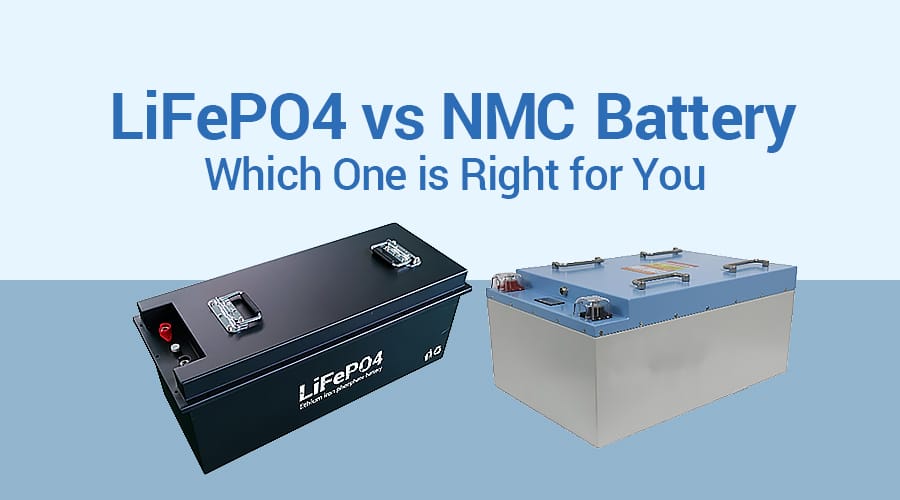
What is a LiFePO4 Battery?
LiFePO4, or lithium iron phosphate, uses iron phosphate for its cathode material. It’s because it’s safe. It’s incredibly stable—even under stress. That’s why it’s often the go-to choice for long-term, dependable energy storage. You can charge and discharge these batteries thousands of times before seeing serious degradation. They’re also free from cobalt, making them less toxic and more sustainable.
Key benefits:
That’s why more and more people are choosing LiFePO4 batteries for solar battery storage, EVs, off-grid setups, and electric tricycles.
What is an NMC Battery?
NMC stands for nickel, cobalt, and manganese—the materials in its cathode. These batteries are prized for one main reason: energy density. They pack more power per pound, making them ideal when space or weight matters.
You’ll find NMC batteries in high-performance electric vehicles, drones, and compact electronics. But higher energy density comes at a cost. These batteries can get hot, age faster, and don’t last as many cycles as LiFePO4 unless they’re in well-controlled systems.
Advantages:
Let’s break down the key differences to help you decide which battery is better—LiFePO4 or NMC.
1. Safety and Thermal Stability
LiFePO4: Excellent. Doesn’t overheat easily. Very low fire risk.
NMC: Needs thermal management. Higher risk of thermal runaway in extreme cases.
2. Cycle Life
LiFePO4: Can last 5,000+ cycles.
NMC: Typically 1,000–2,000 cycles. Some high-end models may reach higher.
3. Energy Density
LiFePO4: Lower (typically ~160 Wh/kg).
NMC: Higher (up to ~250 Wh/kg or more).
4. Temperature Performance
LiFePO4: Stable at high temps, but charging below 0°C is problematic.
NMC: Better cold-weather discharge but also needs preheating to charge safely in freezing temps.
5. Environmental Impact
According to the International Energy Agency’s 2025 Battery Sustainability White Paper, LiFePO4 batteries have 62% lower ESG risk in the supply chain compared to NMC batteries.
LiFePO4: No cobalt, more eco-friendly.
NMC: Cobalt and Nickel Mining Causes Ecological Damage and Pollution Problems
6. Voltage Platform
LiFePO4: 3.2V nominal. Usually forms 12.8V systems.
NMC: 3.6–3.7V nominal. Often used in 11.1V or 14.8V packs.
7. Cost and Value
LiFePO4: Higher upfront cost per kWh, but better long-term value due to longevity.
NMC: Lower initial cost per unit but shorter lifespan may raise total cost of ownership.
Use Cases: When to Choose Each
Choose LiFePO4 if you need:
Think of LiFePO4 as your long-haul partner. It doesn’t quit, even after years of daily use.
Choose NMC if you need:
If we compare batteries to athletes: NMC is like the 100 meter flyer, with strong explosive power but requiring frequent rest; But it’ll wear down faster if not handled carefully.
FAQs
Can I replace NMC with LiFePO4 in my existing setup?
Maybe—but be cautious. Voltage curves differ. If your system was built for NMC, dropping in a LiFePO4 battery could confuse your BMS and damage the system. Check inverter and BMS compatibility first.
Is LiFePO4 safer than NMC?
Yes. LiFePO4 is far less likely to catch fire or overheat. That’s why it’s often used in solar systems and RVs.
Which battery lasts longer—LiFePO4 or NMC?
LiFePO4 wins. It can last 2–5x longer than NMC depending on how it’s used.
What about temperature performance?
NMC handles cold better during discharge. But both chemistries need care when charging in freezing temps.LiFePO4 batteries cost about 15–20% more than NMC upfront.But with a cycle life that’s 2–3 times longer, they save money over time.Their levelized cost of storage (LCOS) drops to just ¥0.2–0.3 per kWh, making them a more cost-effective choice in the long run.
Which is more eco-friendly?
LiFePO4. No cobalt, longer lifespan, and less environmental impact overall.
Best battery for solar storage system?In most cases: LiFePO4. It’s safer, lasts longer, and handles deep cycling better.
Final Thoughts
Choosing between LiFePO4 and NMC isn’t about which is best overall—it’s about what’s best for your use.
LiFePO4 is ideal for safety-focused, long-life projects like solar, backup power, or electric tricycles.
NMC is better where size, weight, and energy density matter most—like in performance EVs or compact electronics.
Still unsure? Our team is here to help. We design and manufacture custom battery packs and BMS solutions for all kinds of applications. Let us find the right power supply for your target project.
Related Article
What is a LiFePO4 Battery? Definition and Top 10 Advantages
Best LiFePO4 Battery for Energy Storage Systems in 2025
Top 15 Best LiFePO4 Battery Manufacturers in 2025
2025 Lithium Battery Buying Guide
Top 15 Features of the Best Lithium Battery in 2025
How to Choose the Best Lithium Battery for Your Electric Bike
Related Posts
 https://anengjibattery.com/wp-content/uploads/2026/09/AnengJIBattery-Best-LiFePO4-Battery-How-to-Choose-the-Right-One.webp
675
1000
Battery Expert Team
https://anengjibattery.com/wp-content/uploads/2025/06/logo2-300x138.png
Battery Expert Team2026-09-17 08:52:142026-09-18 09:19:29How to Choose the Best LiFePO4 Battery
https://anengjibattery.com/wp-content/uploads/2026/09/AnengJIBattery-Best-LiFePO4-Battery-How-to-Choose-the-Right-One.webp
675
1000
Battery Expert Team
https://anengjibattery.com/wp-content/uploads/2025/06/logo2-300x138.png
Battery Expert Team2026-09-17 08:52:142026-09-18 09:19:29How to Choose the Best LiFePO4 Battery https://anengjibattery.com/wp-content/uploads/2026/09/anengjiBattery-lifepo4-battery-cell-packaging-wholesale.webp
675
1000
Battery Expert Team
https://anengjibattery.com/wp-content/uploads/2025/06/logo2-300x138.png
Battery Expert Team2026-09-16 09:52:342026-09-18 09:20:12LiFePO4 Battery Wholesale Guide: Best Suppliers in Spain
https://anengjibattery.com/wp-content/uploads/2026/09/anengjiBattery-lifepo4-battery-cell-packaging-wholesale.webp
675
1000
Battery Expert Team
https://anengjibattery.com/wp-content/uploads/2025/06/logo2-300x138.png
Battery Expert Team2026-09-16 09:52:342026-09-18 09:20:12LiFePO4 Battery Wholesale Guide: Best Suppliers in Spain https://anengjibattery.com/wp-content/uploads/2026/09/anengjibattery-Top-Lithium-Ion-Battery-Producers-for-Spain-Market-Growth.webp
675
1000
Battery Expert Team
https://anengjibattery.com/wp-content/uploads/2025/06/logo2-300x138.png
Battery Expert Team2026-09-16 01:13:392026-09-16 01:14:05Top Lithium Ion Battery Producers for Spain’s Market Growth
https://anengjibattery.com/wp-content/uploads/2026/09/anengjibattery-Top-Lithium-Ion-Battery-Producers-for-Spain-Market-Growth.webp
675
1000
Battery Expert Team
https://anengjibattery.com/wp-content/uploads/2025/06/logo2-300x138.png
Battery Expert Team2026-09-16 01:13:392026-09-16 01:14:05Top Lithium Ion Battery Producers for Spain’s Market Growth https://anengjibattery.com/wp-content/uploads/2026/09/Bulk-Lithium-Ion-Battery-Cells-Procurement-Guide-B2B-Sourcing.webp
675
1000
Battery Expert Team
https://anengjibattery.com/wp-content/uploads/2025/06/logo2-300x138.png
Battery Expert Team2026-09-14 09:47:322026-09-14 09:47:48Bulk Lithium-Ion Battery Cells Procurement Guide | B2B Sourcing
https://anengjibattery.com/wp-content/uploads/2026/09/Bulk-Lithium-Ion-Battery-Cells-Procurement-Guide-B2B-Sourcing.webp
675
1000
Battery Expert Team
https://anengjibattery.com/wp-content/uploads/2025/06/logo2-300x138.png
Battery Expert Team2026-09-14 09:47:322026-09-14 09:47:48Bulk Lithium-Ion Battery Cells Procurement Guide | B2B Sourcing


Leave a Reply
Want to join the discussion?Feel free to contribute!