PRISMATIC LFP BATTERY CELLS

Lifepo4 Battery Cell Manufacturer

Explore 50Ah–314Ah prismatic LiFePO4 battery cells for energy storage and electric mobility. Compare capacity,dimensions,voltage range and cycle-test conditions, then send us your pack requirements for model selection,samples and OEM support.

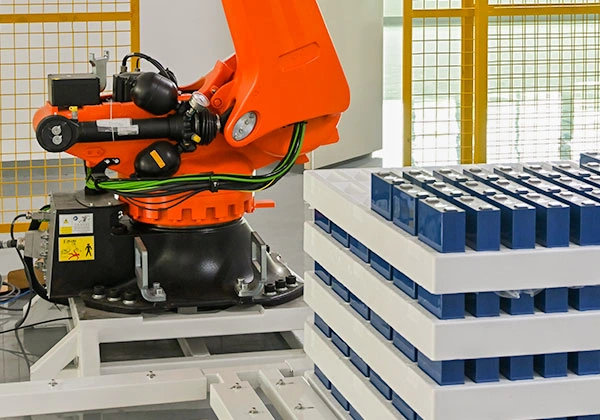
Prismatic LiFePO4 battery cells arranged in an automated manufacturing facility

Prismatic LiFePO4 Battery Cells

Anengji provides high-quality prismatic LiFePO4 battery cells for energy storage and electric mobility applications. With a compact structure, stable performance, and flexible capacity options, these cells are suitable for OEM battery packs used in forklifts, golf carts, electric two-wheelers, tricycles, and commercial energy storage systems.

  • Long Cycle Life: 3,000–8,000 charge-discharge cycles, depending on cell model and test conditions.
  • High Safety: Stable LFP chemistry with excellent thermal stability.
  • Flexible Capacity: Multiple capacity options for different battery pack requirements.
  • Prismatic Design: Rigid metal casing for compact and space-efficient integration.
  • OEM Compatibility: Customizable terminal configurations and battery pack integration.

LiFePO4 Battery Cell For Sale

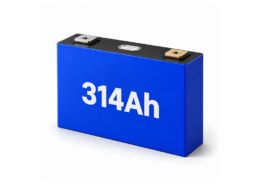
3.2V 314Ah prismatic LiFePO4 battery cell for energy storage systems
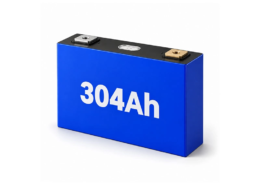
3.2V 304Ah prismatic LiFePO4 battery cell with metal casing
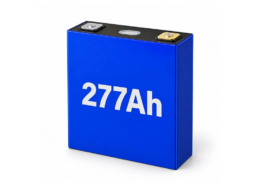
3.2V 277Ah prismatic LiFePO4 battery cell with metal casing
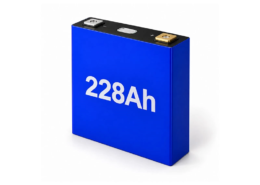
3.2V 228Ah prismatic LiFePO4 battery cell with metal casing
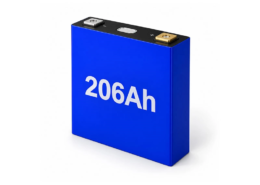
3.2V 206Ah prismatic LiFePO4 battery cell with metal casing
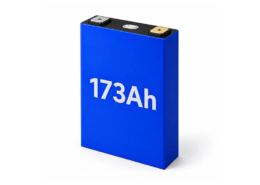
3.2V 173Ah prismatic LiFePO4 battery cell with metal casing
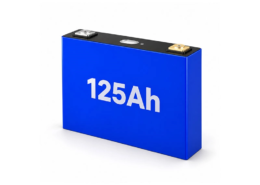
3.2V 125Ah prismatic LiFePO4 battery cell with metal casing
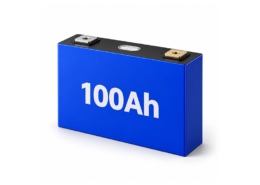
3.2V 100Ah prismatic LiFePO4 battery cell with metal casing
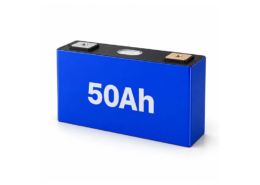
3.2V 50Ah prismatic LiFePO4 battery cell with aluminum casing

LFP Battery Cell Related Resources

FAQS

Anengji supports wholesale supply of LiFePO4 battery cells for OEM battery pack manufacturers and industrial applications. There is no fixed minimum order quantity for standard wholesale inquiries, subject to model availability and order arrangements. For customized specifications or larger-volume orders, MOQ and pricing can be discussed based on the project requirements. For small quantities, buyers should also consider local purchasing options to reduce international shipping costs.

The cycle life of LiFePO4 battery cells depends on the cell chemistry, operating temperature, charge and discharge rates, and depth of discharge (DOD). Cycle life is typically evaluated by the number of charge-discharge cycles until the remaining capacity reaches 80% of the initial capacity. Anengji’s LiFePO4 cells offer different cycle life ratings depending on the model and testing conditions. Buyers should compare cycle life data under consistent test conditions when selecting cells for OEM battery packs.

LiFePO4 battery cells are known for their excellent thermal stability and safety characteristics. Compared with several other lithium-ion chemistries, lithium iron phosphate has a more stable cathode structure and a lower tendency toward thermal runaway. However, cell safety also depends on manufacturing quality, electrical protection, thermal management, and proper battery pack integration. Selecting cells from a qualified manufacturer and following the recommended operating parameters are essential for reliable performance.

LiFePO4 battery cells offer several advantages for energy storage and electric mobility applications:

  • Long cycle life: Designed for repeated charge and discharge cycles, with cycle life depending on cell specifications and operating conditions.
  • Thermal stability: Offers excellent thermal stability compared with many other lithium-ion chemistries.
  • Stable performance: Provides consistent voltage characteristics and reliable discharge performance.
  • Cobalt-free and nickel-free chemistry: Uses lithium iron phosphate as the cathode material, avoiding cobalt and nickel in the cathode.
  • Wide application range: Suitable for energy storage systems, forklifts, golf carts, electric two-wheelers, and electric tricycles.

Terminal configurations depend on the cell format and specific model. Prismatic LiFePO4 cells can be supplied with different terminal designs, including threaded terminals, screw terminals, and nut-based connections. Pouch cells typically use metal tabs for electrical connections. Terminal selection should consider the required connection method, current rating, busbar design, and mechanical installation requirements of the battery pack. Customized connection solutions may also be evaluated for OEM projects.

Grade A and Grade B are commonly used industry classifications for battery cell quality, although grading criteria may vary between manufacturers.

  • Grade A cells: Meet the manufacturer’s specified requirements for capacity, internal resistance, voltage, appearance, and other quality inspection criteria.
  • Grade B cells: Do not fully meet one or more of the manufacturer’s Grade A classification criteria. They may have variations in capacity, internal resistance, appearance, or other parameters.

For OEM battery pack manufacturing, buyers should request cell grading criteria, batch test reports, capacity data, and internal resistance measurements to verify cell consistency and suitability for their applications. A cell’s actual safety and performance should be assessed through technical testing rather than its grade label alone.

Get a Quote for LiFePO4 Cells

  • Direct Factory Supply

    Manufacturer-direct pricing and stable supply.

  • Prismatic Cell Specifications

    3.2V | 50Ah–314Ah | Prismatic LFP Cells.

  • OEM & Bulk Orders

    MOQ: 1000 cells. OEM requirements welcome.

Request a quote

1 + 0 = ?