
72V Lithium Battery: The Ultimate 2025 User Guide
September 19, 2025 / Battery Expert Team / News
In 2025, the 72V lithium battery — especially the 72V LiFePO4 battery — has become a go-to choice for mid-to-high power energy systems. From fast electric motorcycles to off-grid solar banks, this high-voltage platform delivers higher energy density, efficient energy conversion, and thousands of charge cycles.
But what does “72V” actually mean? Which machines is it best for? How do different chemistries compare on performance, safety and cost? Buying the right 72V battery matters — for procurement teams, system integrators, and end users alike. This guide walks you through the technical basics, the main chemistry choices, common applications, safety tips, and a practical selection strategy so you can pick the right 72V lithium battery for your project.
1. What is a 72V lithium ion battery?
A 72V lithium ion battery is a rechargeable energy pack with a nominal voltage of roughly 72 volts. It’s built by stringing multiple Li-ion cells in series to reach that voltage. The result is a compact, high-voltage battery pack that can deliver significant power while keeping size and weight reasonable.
72V packs are widely used in industrial systems and electric vehicles. The higher voltage lets motors and controllers run more efficiently, often improving top speed and torque for motorcycles, scooters, golf carts, and micro-EVs. Higher pack voltage also tends to reduce I²R losses for the same power level, which helps the system run cooler and more efficiently.
These packs often support faster charging than older chemistries, which cuts downtime. Combine that with strong cycle life and robust thermal performance, and you have a reliable energy source for industrial equipment, electric vessels, and renewable energy storage.
2. Common 72V lithium battery types
72V Li-ion packs come in several chemistry flavors. Each has tradeoffs in energy density, safety, lifecycle and cost.
LiFePO₄ (Lithium Iron Phosphate)
LiFePO₄ is the mainstream choice for 72V systems. Energy density is typically ~90–120 Wh/kg. It’s thermally stable (thermal runaway temp > ~270°C), offers long cycle life (≥3000 cycles with proper management), and lower lifetime cost. It doesn’t use cobalt or high amounts of nickel, which helps with sustainability and supply-chain stability. LiFePO₄ is common in EVs, solar storage and industrial applications where safety and lifespan matter.
NMC / NCA (Ternary lithium)
These chemistries deliver higher energy density (~150–220 Wh/kg). They’re chosen when weight and volume must be minimized — e.g., high-performance electric motorcycles or specialty light vehicles. But they need tighter BMS control and cooling because thermal stability is lower and cost is higher.
LTO (Lithium Titanate Oxide)
LTO has lower energy density (70–80 Wh/kg) but extreme cycle life (≥10,000 cycles) and very fast charging capability (can support high C-rate charging). It’s suited for transit systems, frequent-stop urban buses, or industrial equipment that needs many cycles and fast turnaround.
LiCoO₂ (Lithium Cobalt Oxide)
LiCoO₂ is mostly for small consumer electronics. It’s not suitable for large, high-power 72V systems due to shorter life, safety concerns, and cost.
Overall, for export markets focused on safety and long life, 72V LiFePO4 battery packs often hit the best balance of performance, safety and cost.
(Repeat for emphasis: LiFePO₄ — safe, long-lasting, cost-effective. NMC/NCA — higher density, higher cost and thermal demands. LTO — extreme life and fast charge. LiCoO₂ — not recommended for high-power systems.)
3. How a 72V lithium battery works
A 72V lithium battery stores and releases energy by moving lithium ions between electrodes. Inside the pack you’ll find three core elements: the negative electrode (usually graphite), the positive electrode (a lithium compound), and the electrolyte.
When the pack discharges, lithium ions migrate from the negative to the positive electrode and electrons flow through the load, producing current. Charging reverses that flow, pushing ions back to the negative electrode. That reversible ion movement is the essence of rechargeable lithium chemistry.
Modern 72V battery packs also include an advanced BMS (Battery Management System). A BMS monitors individual cell voltages, temperatures, and currents. It prevents overcharge, overdischarge, overcurrent and thermal events. Good BMS hardware and firmware are essential for performance, safety and long cycle life.
4. Factors that affect 72V battery performance
Several variables shape how a 72V lithium battery performs in the field:
Temperature management.
Lithium cells work best roughly between 0°C and 45°C. High temps speed degradation. Low temps slow ion movement and can increase risk of lithium plating. For extreme environments, use thermal control or avoid charging at very low temperatures.
Cycle life and calendar life.
Typical LiFePO₄ packs last thousands of cycles (3000+ under standard conditions). Calendar life depends on storage state of charge and temperature. To preserve longevity, avoid frequent deep discharges and store at moderate state-of-charge.
Charge and discharge rates.
High C-rate charging or discharging generates heat. Occasional fast charging is fine. Constant high-rate cycles shorten life. Match the charger and inverter specs to the battery’s rated charge/discharge current.
Storage conditions.
For long storage, keep the pack at 40–60% SOC and in a cool, dry place. Avoid direct sun or heat sources. Check voltage periodically to prevent deep discharge.
Pack design and quality.
Cell matching, interconnects, cooling, and BMS design all matter. A well-engineered 72V battery pack will show better thermal stability, lower internal resistance, and longer cycle life.
5. Common applications for 72V lithium batteries
72V packs serve many markets because of their power density and efficiency.
Electric mobility (motorcycles, scooters, golf carts, micro-EVs).
72V battery packs power higher-speed, higher-power light vehicles. Compared with lead-acid replacements, 72V lithium delivers longer range, quicker acceleration, and faster recharge.
Solar energy storage systems.
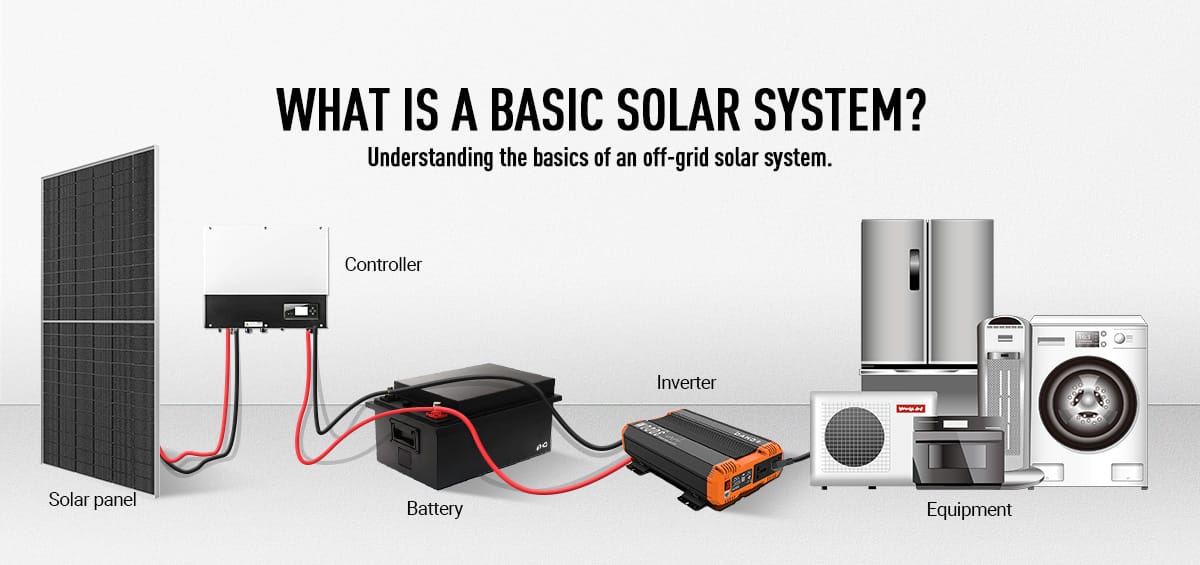
For homes and small commercial solar installations, a 72V battery pack often pairs well with inverters and charge controllers. In off-grid systems, 72V LiFePO₄ banks provide reliable backup power and lower maintenance than lead-acid.
Marine and boating.
Weight matters on boats. A 72V lithium battery pack cuts mass and supports propulsion, house loads and start systems. Many boat builders choose lithium for extended multi-day trips and better fuel/electrical integration.
RVs and leisure vehicles.
72V packs are a compact way to power RV electrics, fridges, heaters, and auxiliary systems. Faster charging and longer cycle life make them attractive for full-time or frequent travelers.
6. Safety tips for using 72V lithium batteries
Safety should be non-negotiable. Follow these practical rules:
Use the correct charger.
Always use a charger rated for 72V and for the specific chemistry (LiFePO₄ vs NMC). Chargers with smart thermal control and automatic cut-off reduce risk.
Store correctly.
Keep batteries in dry, cool locations. For long storage, maintain a 40–60% state of charge and check cells periodically.
Protect from physical damage.
Avoid drops, punctures or crushing. Any damage to the pack housing can cause internal shorts and must be handled as hazardous. Damaged packs should be isolated and sent for professional inspection or recycling.
Dispose responsibly.
Do not throw lithium batteries in regular trash. Use certified recycling centers. Batteries contain flammable electrolytes and recoverable materials.
Ensure ventilation during charging.
Charge in well-ventilated areas, not sealed boxes, to avoid any accumulation of off-gassing during stress events.
7. Advantages of 72V lithium batteries
A properly chosen 72V pack brings several clear benefits:
-
High energy density. You get more watt-hours per kilogram than older chemistries.
-
Lower maintenance. No memory effect. No routine watering like lead-acid.
-
Environmentally friendlier. Modern Li-ion packs avoid toxic heavy metals and are recyclable.
-
Fast charging. Many packs support higher charge rates safely with the right BMS and cooling.
-
Longer cycle life. Especially LiFePO₄, which supports thousands of cycles before significant capacity loss.
-
Smart management. Integrated BMS features like SOC/SOH, Bluetooth or CAN telemetry improve usability and system diagnostics.
8. Drawbacks and tradeoffs
No technology is perfect. Consider these limitations:
-
Higher upfront cost. Lithium packs cost more per kWh than lead-acid today, though total cost of ownership can be lower.
-
Safety demands. Mismanagement, poor chargers, or physical damage can create hazards. Always choose reputable suppliers and certified packs.
-
Charger compatibility. You must match chargers to voltage and chemistry. An incorrect charger risks damage or fire.
9. How to pick a quality 72V lithium battery — buying checklist
Choosing the right 72V battery pack means checking specs and supplier credentials.
-
Buy from known brands or trusted battery manufacturers and suppliers. Look for a track record in LiFePO₄ and industrial packs.
-
Voltage and capacity must match your motor, controller, or inverter. Confirm the nominal voltage, max continuous discharge current, and peak surge rating.
-
Check the BMS feature set. Essential protections: over-voltage, under-voltage, over-current, short-circuit, temperature protection and cell balancing. CAN or Bluetooth telemetry is a plus.
-
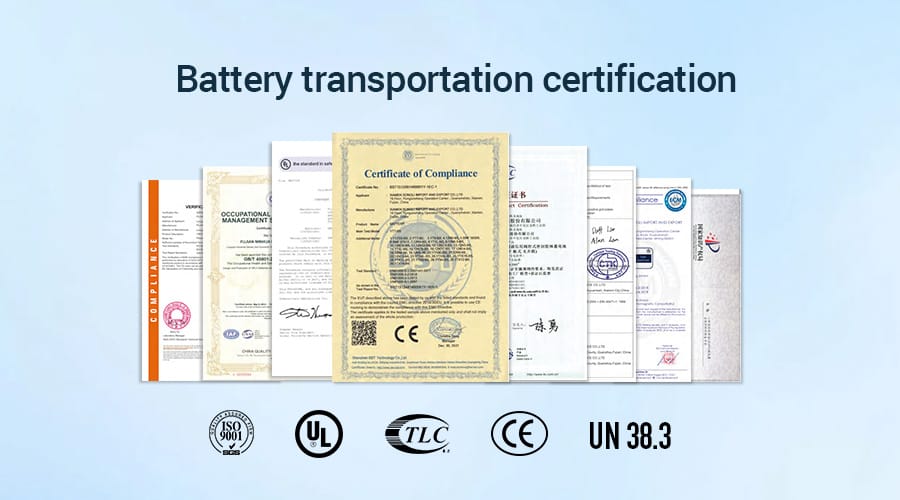
Request international certifications. CE, UN38.3, IEC 62619, UL listings where applicable. These show a higher level of compliance.
-
Warranty and support. Aim for at least a 3-year warranty and global after-sales coverage if you’re exporting systems.
-
Ask for technical documentation. The supplier should provide datasheets, test reports, and recommended charging profiles.
-
Understand total cost per kWh. Compare initial price plus expected cycle life and maintenance.
About AnengJi:
AnengJi is a battery manufacturer and supplier with experience across LiFePO₄, NMC and other pack types. We produce custom 72V battery packs for EVs, RVs, golf carts, forklifts, industrial applications and energy storage. Our products are made in ISO-certified facilities and carry international certifications (CE, UL, UN38.3). We provide documentation, testing reports, and tailored technical support so your project can deploy faster and with confidence.
10. Conclusion
72V lithium battery packs — and especially 72V LiFePO4 battery packs — are shaping mid-power electrification in 2025. They offer strong energy density, long cycle life, fast charging, and improved safety when engineered correctly. Whether you’re specifying batteries for EVs, solar storage, marine vessels or industrial systems, balance performance needs with cost, safety and support. If you want help matching a 72V pack to your motor, inverter or solar setup, our engineers can run the options with you.
Related Posts
 https://anengjibattery.com/wp-content/uploads/2025/10/12V-LiFePO4-Battery-Powering-RV-and-Camping-Equipment-Outdoors.jpg
600
900
Battery Expert Team
https://anengjibattery.com/wp-content/uploads/2025/06/logo2-300x138.png
Battery Expert Team2025-10-31 08:44:092025-10-31 09:28:427 Reasons to Choose a 12V LiFePO4 Battery for Solar, RV, and Off-Grid Power
https://anengjibattery.com/wp-content/uploads/2025/10/12V-LiFePO4-Battery-Powering-RV-and-Camping-Equipment-Outdoors.jpg
600
900
Battery Expert Team
https://anengjibattery.com/wp-content/uploads/2025/06/logo2-300x138.png
Battery Expert Team2025-10-31 08:44:092025-10-31 09:28:427 Reasons to Choose a 12V LiFePO4 Battery for Solar, RV, and Off-Grid Power https://anengjibattery.com/wp-content/uploads/2025/10/lifepo4-battery-outdoor-evening-power-supply.jpg
600
900
Battery Expert Team
https://anengjibattery.com/wp-content/uploads/2025/06/logo2-300x138.png
Battery Expert Team2025-10-31 06:15:172025-10-31 06:58:29What is a LiFePO4 Battery? Definition and Top 10 Advantages
https://anengjibattery.com/wp-content/uploads/2025/10/lifepo4-battery-outdoor-evening-power-supply.jpg
600
900
Battery Expert Team
https://anengjibattery.com/wp-content/uploads/2025/06/logo2-300x138.png
Battery Expert Team2025-10-31 06:15:172025-10-31 06:58:29What is a LiFePO4 Battery? Definition and Top 10 Advantages https://anengjibattery.com/wp-content/uploads/2025/09/72V-Lithium-Battery-The-Ultimate-2025-User-Guide.jpg
600
900
Battery Expert Team
https://anengjibattery.com/wp-content/uploads/2025/06/logo2-300x138.png
Battery Expert Team2025-09-19 09:38:452025-10-31 06:16:2672V Lithium Battery: The Ultimate 2025 User Guide
https://anengjibattery.com/wp-content/uploads/2025/09/72V-Lithium-Battery-The-Ultimate-2025-User-Guide.jpg
600
900
Battery Expert Team
https://anengjibattery.com/wp-content/uploads/2025/06/logo2-300x138.png
Battery Expert Team2025-09-19 09:38:452025-10-31 06:16:2672V Lithium Battery: The Ultimate 2025 User Guide https://anengjibattery.com/wp-content/uploads/2025/09/Best-Choice-for-Energy-Storage-100Ah-Lithium-Battery-vs-200Ah-Lithium-Battery.jpg
600
900
Battery Expert Team
https://anengjibattery.com/wp-content/uploads/2025/06/logo2-300x138.png
Battery Expert Team2025-09-12 09:00:562025-10-31 06:59:05Best Choice for Energy Storage: 100Ah vs 200Ah Lithium Battery
https://anengjibattery.com/wp-content/uploads/2025/09/Best-Choice-for-Energy-Storage-100Ah-Lithium-Battery-vs-200Ah-Lithium-Battery.jpg
600
900
Battery Expert Team
https://anengjibattery.com/wp-content/uploads/2025/06/logo2-300x138.png
Battery Expert Team2025-09-12 09:00:562025-10-31 06:59:05Best Choice for Energy Storage: 100Ah vs 200Ah Lithium Battery


Leave a Reply
Want to join the discussion?Feel free to contribute!